Latin America and Caribbean sourcing
Buying Chinese SUVs in Latin America: recheck safety, powertrain and support for every market
Latin America is not a single-specification vehicle market. A sound purchase compares the destination, delivered variant, test protocol, geography, energy system and aftersales evidence on one decision sheet.
Start with the country and sale specification
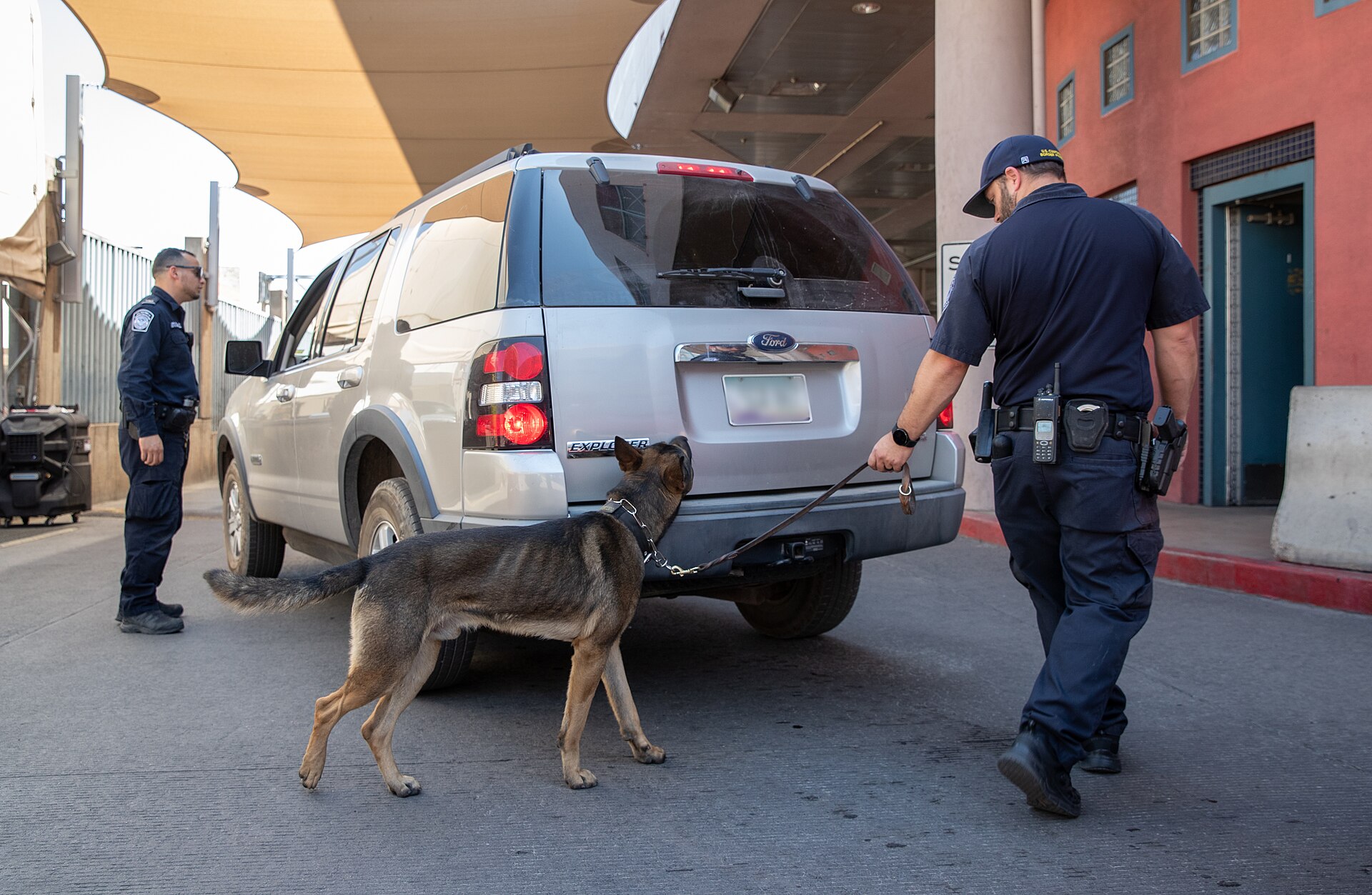
Mexico, Brazil, Chile, Colombia, Central America and Caribbean states apply different admission, tax, label, registration and consumer rules. WTO guidance explains that technical regulations and conformity assessment operate at member level. Obtain the current official requirements for the destination and arrival date, and distinguish a personal import, distributor sale and fleet import.
Chinese brands often use similar model names across the region while changing engines, transmissions, batteries, airbags, driver assistance and infotainment. Freeze the VIN pattern, configuration code, production date and version shown in the local product catalogue. A vehicle that can be sold or registered in a neighbouring state is not evidence that it can clear and register in the target country.
Return every Latin NCAP result to the tested car
Latin NCAP introduced an updated assessment cycle for 2026, retaining attention to adult and child occupants, pedestrians and vulnerable road users, and safety assistance. Results from different protocols cannot be converted mechanically, so the test year and protocol matter. Save the result, date, specification and equipment rather than copying the star count.
A base trim in one country may lose airbags or active-safety features fitted elsewhere. Confirm stability control, side and curtain airbags, child restraints, belt reminders, autonomous emergency braking, lane support and blind-spot functions on the delivered units. If no Latin NCAP result exists, type approvals and test documentation can reduce the evidence gap, but an importer must not invent a rating.
Give altitude, tropical humidity and coastlines different test jobs
Andean altitude, humid tropical zones, coastal salt, urban congestion and long highways impose different loads. A high-altitude test should observe power delivery, cooling, braking and turbo behaviour. Humid regions require attention to air conditioning, seals, corrosion protection and electrical connections. Broken surfaces test tyres, wheels, suspension travel and loaded clearance.
Do not treat a capital-city demonstration as national validation. Run the harshest routine at working load and record temperature, energy use, braking, fault codes, tyre damage and driver fatigue. For cross-border fleets, confirm that lamps, plate mounts, reflective markings, first-aid and carried equipment satisfy every intended jurisdiction.
Match the powertrain to fuel and charging reality
Fuel supply, blends, emissions systems and repair experience vary by country. Obtain written confirmation that the engine supports the local fuel, severe-duty service, filtration and emissions diagnostics. For a hybrid, verify that high-voltage parts, dedicated fluids, insulation testing and collision repair exist in the destination rather than only in a regional training plan.
Inter-American Development Bank work shows that Latin American countries are at different stages of electric-mobility policy and infrastructure. Before buying an electric SUV, survey home or depot charging, public-network accounts, connectors, intercity coverage, electricity pricing and distribution upgrades. Model air conditioning, gradients, speed and battery temperature instead of relying on advertised range.
Move the aftersales comparison beyond capital-city maps
A showroom in the capital does not prove parts and diagnostics in secondary cities. Ask for warehouse locations, service and collision stock, part numbers, regional delivery times and an urgent-order channel. Price a windscreen, wheel, damper, radar, infotainment unit and powertrain module, and identify which items require air freight from China.
Review Spanish or Portuguese service information, technician training, diagnostic accounts, recall communication and warranty approval. Distributors in a regional group can be separate legal entities and warranties may not cross a border. The contract should identify the claim obligor, labour, parts freight, recovery and treatment of prolonged downtime rather than merely repeat a headline term.
Extend landed cost inland and through the inventory cycle
Routes may use Pacific, Atlantic or Caribbean ports and then travel far to the consumer market. Include vehicle, export transport, ocean freight, insurance, port, inspection, duties, taxes, brokerage, storage, inland transport, registration, rectification, parts and finance. Put a cap and responsibility on demurrage or storage caused by certification or document correction.
World Bank logistics indicators stress country differences in connectivity, speed and reliability. A live plan must still compare roll-on/roll-off and container conditions, sailings, transshipment, congestion, inland roads and theft exposure. Use the same VIN photo schedule before loading and after arrival, and contract the notice periods for missing equipment, damage and claims.
Replace the regional bestseller idea with representative pilots
Choose representative tasks for a high-altitude city, a tropical city and long-distance highway use, then validate admission, energy, faults, parts and customer response with a limited number of units. Even when one model suits two countries, software, language, connected services, taxes and warranty need separate confirmation.
Score regulation, safety, geography, energy, aftersales, logistics and total ownership cost with stop conditions. Pause if the tested variant does not match, local fuel support is unclear, a critical part has no supply path or infotainment services cannot operate. The useful best model is the one selected by destination evidence, not a region-wide sales label.
Complete a four-party check and language review before contract
Before signature, have the supplier, destination importer, clearance or conformity specialist, and aftersales obligor confirm the same VIN and configuration schedule. They should agree on certificates, labels, onboard documents, shipping conditions, initial parts and warranty interfaces instead of working from different brochures. Spanish or Portuguese manuals, warnings and warranty language need review by someone familiar with local automotive requirements.
Tie payments to verifiable results: one stage after configuration freeze, another after destination acceptance of evidence, and the relevant balance after arrival inspection shows no material discrepancy. The contract should allocate rectification, storage, return and cancellation when approval is delayed, documents are wrong or the factory changes specification. Clear responsibility prevents an attractive factory price from becoming expensive port inventory.
Frequently asked questions
Does a five-star Latin NCAP result cover every national version with the same name?
Not necessarily. Match protocol, year, specification, powertrain and applicable VIN to the delivered units.
What is often missed when buying a Chinese SUV for Latin America?
Variant-level safety and software differences, plus parts, diagnostics and inland delivery outside the capital, are common gaps.
Can a low-altitude road test validate an SUV for an Andean city?
No direct transfer is prudent. Test power, cooling, braking and energy use at the actual altitude, load, gradient and temperature.
Is seeing public chargers enough to approve an EV purchase?
No. Verify connector, account access, reliability, intercity coverage, depot power, repair and battery responsibility.
How should dealers be compared?
Use real part numbers, warehouse addresses, delivery times, sample repair quotations, diagnostic permissions and the legal warranty obligor.
Sources
- Latin NCAP announces update to its assessment protocolLatin NCAP · 2026-07-13
- Costs of electromobility in Latin America and the CaribbeanInter-American Development Bank · 2026-07-13
- Electric Mobility in Central AmericaInter-American Development Bank · 2026-07-13
- Logistics Performance Indicators 2.0 - AboutWorld Bank · 2026-07-13
- Technical Barriers to Trade - Technical InformationWorld Trade Organization · 2026-07-13
- Global status report on road safety 2023World Health Organization · 2026-08-09