Southeast Asia EV sourcing
China EV export checklist for Southeast Asia: steering side, national approval and charging come first
Southeast Asian markets are geographically close but institutionally distinct. Steering side, eligible applicant, type testing, connector, taxation and localisation can determine whether a Chinese EV works commercially. Start with the country and route, not a generic “Southeast Asia version.”
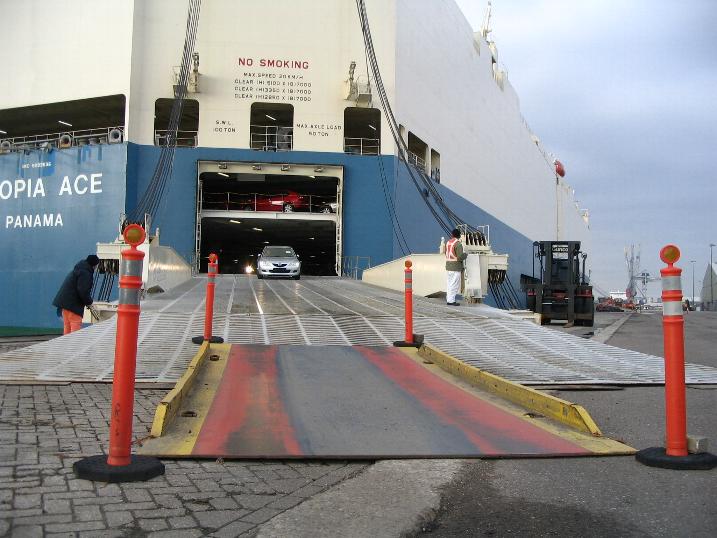
Use country, steering side and duty cycle as the first filter
State the country of registration, importer, vehicle category, new or used status and private, ride-hailing, taxi or fleet use. Southeast Asia contains both right- and left-hand-drive markets. Steering conversion is not a normal option: steering, lamps, wipers, airbags, controls and instrument information may form part of whole-vehicle approval, and an unrecognised conversion creates safety and registration risk.
Singapore requires imported vehicles to follow a vehicle approval and registration route; Indonesia maintains a national regulation for physical type testing of battery electric vehicles. ASEAN standards cooperation helps locate references but does not make one country's approval universally valid. Ask an eligible local applicant to pre-screen the model code and delivered configuration in writing.
Map type-approval scope to the delivered vehicle
Put VIN, data plate, build date, model and battery codes, axle loads, tyres, lamps, braking, charging inlet, software and safety equipment in the delivery schedule. The type, version and variant in certificates and reports must cover these fields. A domestic-China and export edition can look alike while differing in inlet, communications, language and safety marking.
Prepare applications in the language accepted by the country and identify which records need manufacturer signature, certification, translation or a sample vehicle. A used unit adds title, first registration, mileage, collision, repair, recall and battery evidence. Pause for an unexplained VIN source, a report for another battery or a proposal to alter a safety-critical system after arrival.
Recheck charging standards by country and date
Singapore Standard 722 superseded TR25 from April 2026, within a system that requires charger safety compliance, certification and registration. The change shows why an old familiar standard name is insufficient: verify the current edition, equipment type approval and installation rule. Other Southeast Asian countries maintain their own roadmaps, connector mixes and electrical frameworks.
On the vehicle side, record AC and DC inlets, voltage, phase, power, communication and battery conditioning. On the site side, verify transformer capacity, earthing, protection, metering, fire measures, payment and operating permission. Check every critical intercity station. An adapter cannot guarantee communication or safety, and importing China-market wall units does not bypass local product and installation controls.
Create an acceptance route for heat, humidity and flooding
Hot humid weather increases cabin and thermal-management load; intense rain, salt air and standing water challenge connectors, seals and underbody systems. Ask for battery cooling, charge derating, cabin cool-down, inlet environmental protection, water limits and the isolation and inspection process after possible ingress. Do not turn a component protection claim into permission to drive through arbitrary flood depth.
Test the first units in congestion, highway use, full climate load, repeated charging and representative post-rain conditions. Log energy, thermal warnings, charging power, arrival reserve and braking. The operator also needs flood-alert parking plans, a ban on immediate charging after suspected ingress, and staff trained to recognise odour, unusual heat and high-voltage warnings.
Include island and cross-border distance in service planning
Islands, congested ports and cross-border routes magnify parts lead time. Separate ocean arrival, inland or island transfer, distributor storage and final depot, assigning responsibility, insurance and documents at each stage. For a second sea or ferry movement, confirm the carrier's conditions for EVs and for a damaged or non-running unit.
Divide spares into local stock, regional transfer and China order. Local stock should consider filters, cooling, brakes, suspension, tyres, electrical connectors and frequent collision parts. The more dispersed the fleet, the more important diagnostic tools, remote technical support and trained staff become. Weeks of downtime for one connector can defeat the economics of a low purchase price.
Test software, language and payment before delivery
Use a destination network to test interface language, maps, mobile application, account, message verification, remote climate, digital key, software update and diagnostics. A function dependent on a Chinese telephone number, identity service, application store or server permission needs a written overseas alternative. Taxi and ride-hailing buyers should also confirm fleet interfaces, driver accounts and scalable charging payment.
Provide user, safety, rescue, warranty and workshop information in an accepted local language. Warranty states country, start date, mileage, components, labour, island or cross-border transport and battery claims. Transfer account ownership and administrator rights to the buyer; otherwise a trader with no continuing obligation may retain control of essential digital assets.
Scale from one-country pilots, not a regional assumption
Go conditions are correct steering and safety configuration, eligible applicant and approval route, delivered vehicle within the report, lawful usable charging, tropical and water procedure, working software and reachable parts. The cost model separates vehicle, export, sea, inland or island transfer, tax, approval, charging installation, spares and downtime.
Stop when a seller substitutes “ASEAN compatible” for national records, proposes steering conversion, supplies evidence for another version, cannot provide an approvable charger, hides water exposure, offers region-locked software or lacks local diagnostics. A safer expansion is a manageable pilot in each country, closing registration, operation and repair before copying the programme across the region.
Put wet-season response and data responsibility in the operating manual
Before delivery, name the party that monitors flood alerts, decides vehicle relocation and maintains a list of low-lying parking risks and isolation locations. Resetting a high-voltage warning and returning a suspected water-exposed vehicle to service is not a normal procedure. Preserve photographs, time, location and diagnostic records for collision, ingress and unusual heat so the manufacturer and insurer can assess the event. Run the full response drill before the wet season begins.
Define ownership and retention of location, driving, charging and fault data, who may access it and what authority supports transfer to an overseas manufacturer. Digital fleet efficiency should not depend on unclear account ownership. The buyer should hold exportable operating records, while the supplier receives remote access only within the contractual purpose and period. Remove all remote access promptly and completely when the support relationship ends.
Frequently asked questions
Do ASEAN standards mean a vehicle can be registered in every member country?
No. Regional cooperation does not replace each country's applicant, type approval, customs and registration process.
Can a left-hand-drive vehicle be converted after arrival?
Do not treat this as routine. Steering, lamps, airbags and whole-vehicle approval can be affected; obtain destination-authority approval first.
Is Singapore's former TR25 still the latest charging reference?
No. Singapore Standard 722 superseded TR25 in April 2026; verify the current standard and certification requirements.
Does a protection rating prove the vehicle can wade through floods?
No. Follow the manufacturer's vehicle-level water limits and an isolation and inspection procedure after suspected ingress.
When should volume not be increased?
Do not scale before the pilot completes registration, charging, wet-season operation, software and repair, or while steering, evidence or water risks remain.
Sources
- Standard Vehicle RegistrationLand Transport Authority Singapore · 2026-07-13
- Singapore elevates EV charging standard to SS 722Land Transport Authority Singapore · 2026-07-13
- Electric vehicles — regulations and standardsMinistry of Transport Singapore · 2026-07-13
- Regulation PM 87 of 2020 on physical type testing of battery electric vehiclesMinistry of Transportation Republic of Indonesia · 2026-07-13
- ASEAN Trade Repository — harmonised standards searchAssociation of Southeast Asian Nations · 2026-07-13
- Electric vehicle charging — Global EV Outlook 2026International Energy Agency · 2026-07-13