Latin America city fleet method
Compact EV fleets in Latin America: join the city route, charging and finance case
Regional EV growth does not give every Latin American city the same operating conditions. Start with a measurable route and a connectable depot, then finance and accept the vehicle, infrastructure, currency and downtime risks as one project.
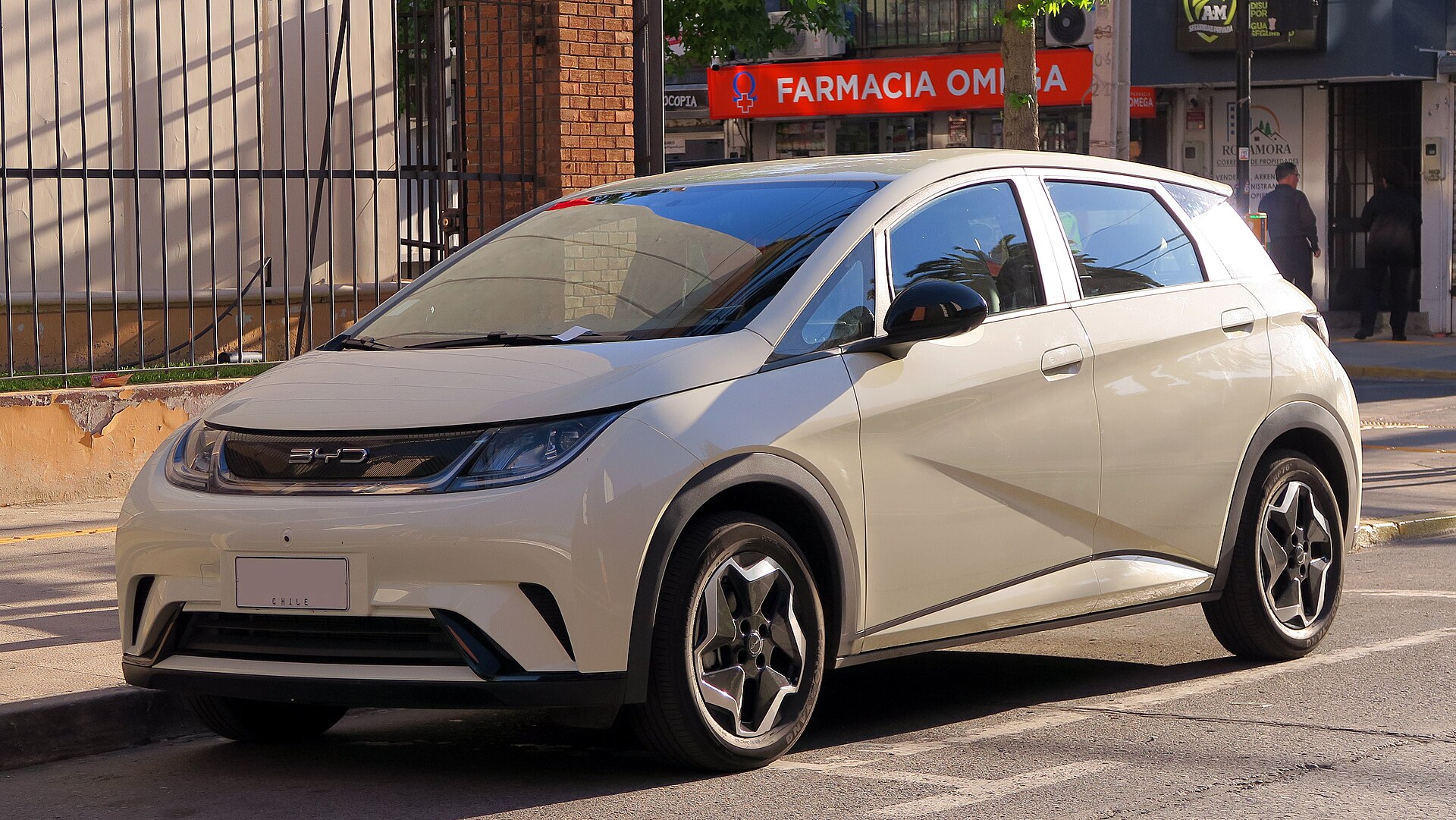
Turn a regional trend into one city service contract
Regional monitoring shows expanding electrified light-duty fleets and charging networks across Latin America and the Caribbean, but deployment is uneven between countries and cities. Define the destination, municipality, importer, ride-hailing or delivery duty, service area, contract term, shifts and minimum availability. National and city authorities can then confirm import, approval, tax, commercial-operation and registration requirements for the exact vehicle rather than a regional EV category.
A compact footprint and urban efficiency can fit dense routes, but vehicle class alone is not a specification. Export distance, speed, gradients, empty running, passengers or freight, loading, congestion and parking time from dispatch data, then map damaged surfaces, speed humps and flood points. Vehicle dimensions, usable payload, loaded clearance and tyre supply should correspond to the service contract line by line. Include luggage, accessibility equipment, shelving or other permanent fit-out in weighing and energy tests rather than treating the empty catalogue vehicle as the operating baseline.
Validate altitude, heat and flood exposure separately
Latin American cities can sit on high plateaux, tropical coasts, dry interiors or intense-rainfall zones, so one regional climate assumption is unsafe. Altitude affects cooling and cabin-comfort demand; prolonged heat and sun change battery and air-conditioning loads; heavy rain tests depot drainage, inlet position and incident response. The pilot must run in the destination city's hardest normal seasonal and route conditions.
Obtain the delivery variant's thermal architecture, operating-temperature limits, power restrictions, water guidance, underbody protection, refrigerant and air-conditioning part numbers. Drivers should use normal payload and cabin settings while recording charge, metered energy, temperature, warnings and delay for every shift. Catalogue range can screen candidates, but dispatch needs reserve for diversions, charger failure and battery ageing.
Secure the depot connection before selecting chargers
Public charger totals do not prove that a fleet can replenish on schedule. A dependable plan usually starts at a depot or fixed parking site. A local electrical professional should review tenure, distribution capacity, transformer, protection, earthing, fire access, drainage and communications, then obtain application documents, upgrade cost and lead time from the utility. Charger purchase should follow that study, not precede it.
Calculate overlapping demand from arrival time, remaining energy and next departure, then compare managed AC, limited DC recovery and staggered dispatch. If public sites support the plan, test the actual car for connector, account, local card or payment, opening hours, blockage, delivered power and helpdesk response. An intercity route needs every critical stop and an alternative physically verified; a map symbol is not operating evidence.
Lock regulation, safety and local-language services to the variant
Countries apply different whole-vehicle, safety, electrical-installation and charging-operation requirements. The supplier should provide variant, VIN range, certificate issuer, approval number and conformity of production for destination-side authentication. Citing a UN EV-safety rule can identify a technical basis, but it cannot replace national admission. Airbags, stability control, crash protection and high-voltage isolation must match order and delivery.
Test infotainment, phone application, service literature, diagnostics and fault messages in the Spanish or Portuguese environment used at the destination. Confirm local SIM, maps, servers, account creation, updates and data export, with procedures for cybersecurity incidents and service termination. Driver training and high-voltage rescue cards also need competent localisation rather than an untested machine-translated manual.
Audit aftersales and battery responsibility with sample failures
Require the bidder to name the local warranty entity, authorised high-voltage workshops, trained technicians, diagnostic permissions and warehouse. Use the inlet, onboard charger, thermal pump, air-conditioning compressor, windscreen, suspension part and collision-sensor calibration as samples. Obtain part numbers, stock, import origin, labour and normal and urgent lead times. Service-centre count alone cannot quantify downtime.
Battery terms should state the capacity threshold and test method, commercial-use conditions, claims entity, module or pack repair, damaged-pack transport and final treatment. Regional work recognises battery lifecycle management as a priority, but an executable route still needs country confirmation. Without a written repurchase or treatment agreement, do not record second-life proceeds as certain project income.
Finance the vehicle and infrastructure as one project
Separate vehicle, China inland movement, export records, freight, insurance, port charges, inspection, duty, value-added or other taxes, customs, inland delivery, registration, depot works, grid upgrade, chargers, software, parts and training. Operations use the local tariff, time-of-use or demand charges and charging losses, then add tyres, insurance, maintenance, finance and downtime. This reveals costs that a factory price excludes.
Movement between the purchasing currency and fleet-revenue currency can change the case during shipment and installation. Build base, depreciation, connection-delay and low-residual scenarios, and allocate tariff changes, demurrage and construction overruns. Financing tenor should match vehicle and charging-asset life and contracted revenue. A low monthly instalment alone does not establish affordability if a balloon payment, short service contract or long grid delay remains. Model early termination, insurance recovery, charger relocation and late customer payments as well, so the project retains an executable cash plan if the depot is not energised on schedule.
Make a city pilot the authority to scale
Use a small first batch across peak and off-peak periods, flat and hilly routes, different drivers and real passengers or freight. Record energy per kilometre, on-time completion, charging success, queues, cabin comfort, faults, tyre events, complaints and downtime hours under one method, then compare existing vehicles doing the same task. A demonstration route cannot replace several ordinary operating weeks.
Expansion gates should include admission, depot energisation, reserve on the hardest shift, verified public backups, usable local-language systems, parts and battery responsibility, and an affordable stress case. If a gate fails, adjust the model, charging rhythm or contract scope. Once city evidence passes, replicate the method, not one country's incentives, tariffs or cost numbers, into the next Latin American market.
Frequently asked questions
Can a Latin American city fleet rely mainly on public charging?
Only after vehicle-level tests at every required site and its alternatives. High-availability fleets usually secure fixed depot charging first and use public networks as planned support.
Does high altitude make an EV unsuitable?
Not automatically. Test energy, thermal management, braking, heating or cooling and charging at the destination altitude and payload, and confirm the manufacturer's operating limits.
Can regional charger counts be used for dispatch planning?
No. Counts do not show a site's connector, power, payment, hours, queue or fault status; the route needs a survey and test transactions.
How should currency risk enter the procurement?
Separate purchasing and revenue currencies, stress the exchange rate, define quotation validity, payment milestones and liability for tax changes, and retain contingency.
When should the fleet expand?
After country admission, depot power, worst-route reserve, language and software, repairs, battery responsibility and stressed cost all pass in the target city against predefined measures.
Sources
- June 2026 Electric Mobility Monitor in Latin America and the CaribbeanLatin American Energy Organization · 2026-07-14
- Costs of Electromobility in Latin America and the CaribbeanInter-American Development Bank · 2026-07-14
- LAC E-Mobility Forum 2025United Nations Environment Programme · 2026-07-14
- Electric vehicle charging - Global EV Outlook 2026International Energy Agency · 2026-07-14
- EV, HEV and FCUnited Nations Economic Commission for Europe · 2026-07-14
- Energy and transport policy in Latin America and the CaribbeanUnited Nations Economic Commission for Latin America and the Caribbean · 2026-08-20