Middle East hot-weather fleet procurement
Compact EV fleets in the Middle East: validate the vehicle and charging at summer load
A compact EV fleet case in the Middle East depends on peak-summer payload and cabin cooling, shaded and powered depots, local conformity and thermal-system repair, not range measured in mild conditions.
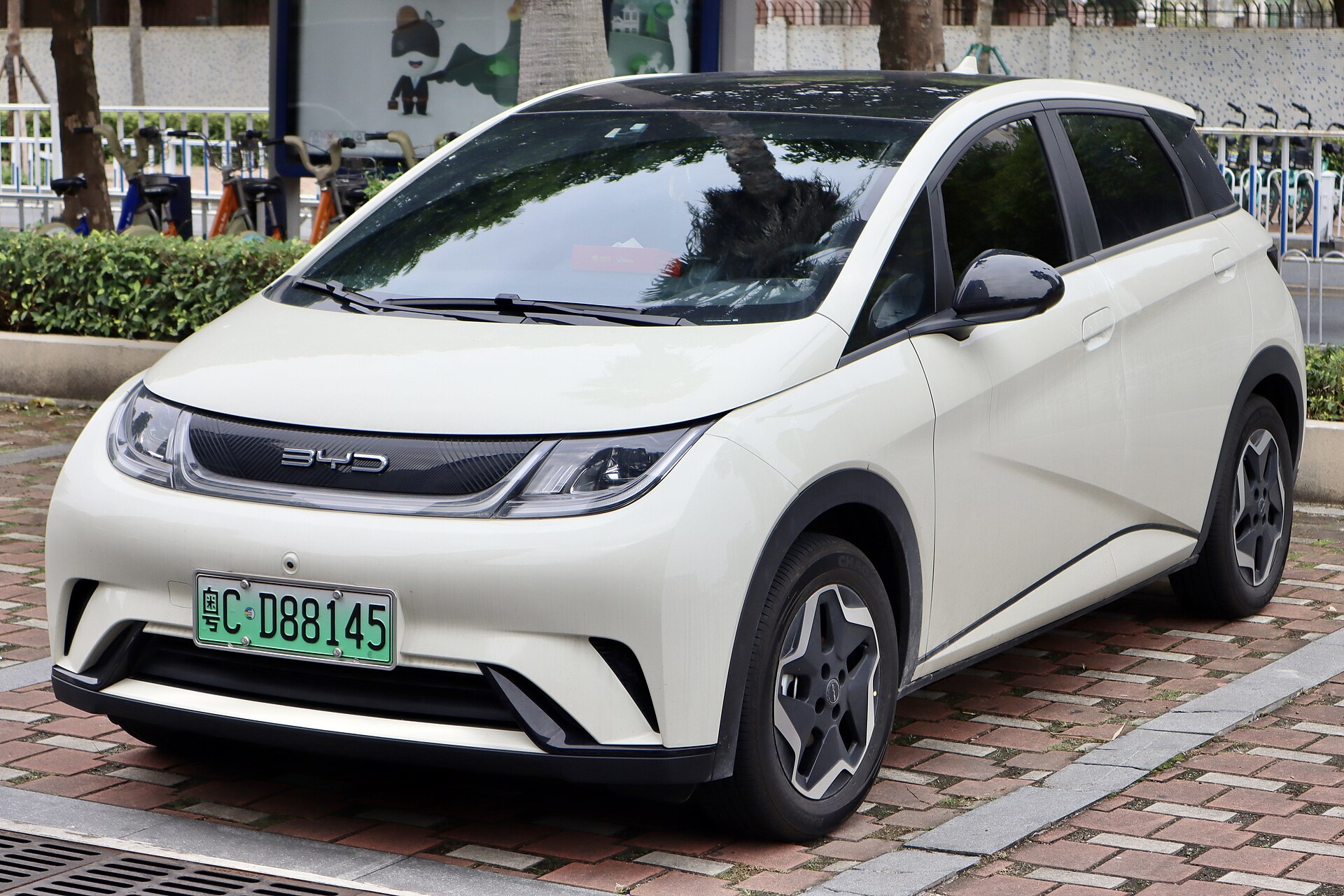
Fix the country, city and commercial permission first
The Middle East is not one vehicle or charging jurisdiction. Even where Gulf states draw on common technical standards, vehicle admission, charger conformity, installation permission, insurance and operating licences can remain national or local. The brief should name the country, city or emirate, importer, duty, registration category, parking tenure and launch date. Confirm every requirement against the exact variant and VIN range.
A Gulf, other-export and China-domestic version sharing one name may have different air conditioning, thermal management, inlet, tyres, safety equipment, languages and connectivity. Require configuration code, build date, approvals and parts catalogue, then apply change control. Any substitute vehicle must repeat the heat, charging, conformity and repair review; a supplier's statement that it is equivalent is not operational evidence.
Use the hottest summer shift to set battery and cabin reserve
High ambient temperature, strong solar load, long passenger waits, continuous cooling and full payload can affect both energy use and charging speed. Test the hottest part of the day, the most congested route and the longest normal wait, with actual drivers using the contract cabin-temperature setting. Record departure and return charge, independently metered energy, cabin and ambient temperature, power limits, delay and comfort feedback for every shift.
A thermal review goes beyond asking whether the battery is liquid cooled. Obtain high-temperature power logic, battery-conditioning conditions, refrigerant, compressor and coolant-pump part numbers, filter schedules and the charging curve after sun exposure. Tyre load, speed and temperature ratings must suit the destination. Tint or glazing changes require prior confirmation of visibility, local rules and warranty effects.
Make shade, distribution and load control one depot design
Shade can reduce cabin pre-cooling demand and improve working conditions around vehicles and equipment, but the structure, ventilation and fire spacing need professional design. The electrical study covers connection capacity, transformer, switchboards, earthing, protection, cable temperature, dust protection, drainage, lighting and impact barriers. Confirm utility and permitting requirements before locking equipment and construction scope.
Build an arrival load curve from return time, remaining energy and next dispatch, then compare managed AC, limited DC recovery and staggered shifts. Heat may derate the vehicle or charger, so nameplate power cannot define every turnaround. Include demand charges, communications, filter cleaning, preventive maintenance, spares and substitute dispatch. A reliable depot is an operating system, not only a row of sockets.
Verify urban and intercity public charging one site at a time
Public networks can support planned recovery, but map pins do not belong in a schedule without a test. Use the intended vehicle to verify inlet, communication, account, local payment, parking rules, access hours, delivered power, queues and helpdesk response, retaining transaction and fault records. Fleet drivers also need corporate authorisation and reimbursement that do not depend on personal accounts or payment cards.
Intercity or cross-border duties add operators, roaming, mobile coverage and jurisdiction boundaries. Give every critical stop at least one verified alternative and include diversion energy and time in reserve. IEC or GSO standards can provide a technical foundation, but do not prove complete interoperability among every car, DC charger and backend. Cross-testing should remain a payment and deployment condition.
Conform the vehicle, charger and incident process separately
Vehicle and charger certificates are different evidence chains. The car review covers type, variant, VIN, safety equipment, battery and high-voltage isolation. Charging equipment needs model identity, applicable standards, national conformity, installation and operating permission. Official Saudi, Omani and UAE materials all illustrate the importance of country processes; a general claim of Gulf compatibility cannot replace destination documents.
The depot needs high-voltage isolation, quarantine for collision or water-exposed vehicles, suitable recovery, fire-service contact and damaged-battery transport procedures agreed with insurer and local responders. Drivers, security staff and dispatchers need concise Arabic or English response cards. Untrained staff must not open a battery, and a suspect vehicle should not be returned to the normal charging line.
Audit local support through cooling and high-voltage parts
Hot-market downtime does not come only from the battery. Ask the local service entity for part numbers, stock, replenishment, labour and diagnostic rights for the compressor, condenser, coolant pump, onboard charger, inlet, low-voltage battery, tyres and critical sensors. Dust filtration, coastal corrosion and cleaning intervals belong in the severe-service schedule, supported by the delivery variant's manuals.
Test infotainment, application, remote cooling, maps, updates and fault information in the destination Arabic or English environment, including local SIM, servers and account creation. The contract should address commercial-use warranty, response time, substitute mobility, cybersecurity events, data export and function after service termination. An overseas call centre without enforceable repair capacity is not aftersales support.
Set pilot gates against local fuel and electricity realities
Vehicle price is one project line. Budget freight, insurance, port, tax, conformity, registration, shade, electrical works, chargers, software, parts, training and finance; operations add tariff, demand charges, losses, tyres, cooling maintenance, cleaning, insurance and downtime. Markets with relatively low fuel cost require route evidence for the economic case. A saving percentage from another country is not a forecast.
Run the first units across the hottest hours, representative highway work and city congestion, then require cabin comfort, on-time completion, energy, charging success, derating, fault and downtime targets before expansion. Scaling also requires vehicle and charger permission, an energised depot, local parts, executable incident response and an affordable stress case. If a gate fails, change the route, shade, charging rhythm or vehicle before adding units.
Frequently asked questions
Does Middle Eastern heat automatically make a compact EV unsuitable?
No, but the fleet must test peak-summer payload, cooling and waits locally and verify vehicle and charger temperature limits, derating and thermal-system support.
Does a GSO or IEC standard mean a charger can be installed?
Not automatically. A standard is a technical basis; the destination may still require model conformity, electrical design approval, installation inspection and an operating licence.
Is depot shade worth funding?
Measure pre-cooling energy and compare it with construction, ventilation, fire and tenure costs. Shade can help, but it needs compliant engineering rather than temporary covers.
Can public fast charging replace a depot?
Usually not for a high-availability fleet without extensive testing. Payment, queues, delivered power and faults affect dispatch, while a fixed depot is generally more controllable.
When can the first batch expand?
After summer routes, cabin comfort, charging derating, permissions, local repair, incident response and stressed cost all meet the pre-agreed gates.
Sources
- The National Electric Vehicles PolicyUnited Arab Emirates Government · 2026-07-14
- GSO IEC 61851-24:2024GCC Standardization Organization · 2026-07-14
- Certificates of ConformitySaudi Standards, Metrology and Quality Organization · 2026-07-14
- Guide to Technical Requirements for Charging Electric VehiclesOman Authority for Public Services Regulation · 2026-07-14
- Global EV Outlook 2026International Energy Agency · 2026-07-14
- EV Green Charger InitiativeDubai Electricity and Water Authority · 2026-08-09