Tropical urban fleet procurement
Compact EV fleets in Southeast Asia: size the vehicle, depot and support by country
A compact EV can fit dense Southeast Asian routes, but the business case must be rebuilt for each country, site and duty using measured tropical energy, approved charging, verified public access and local repair evidence.
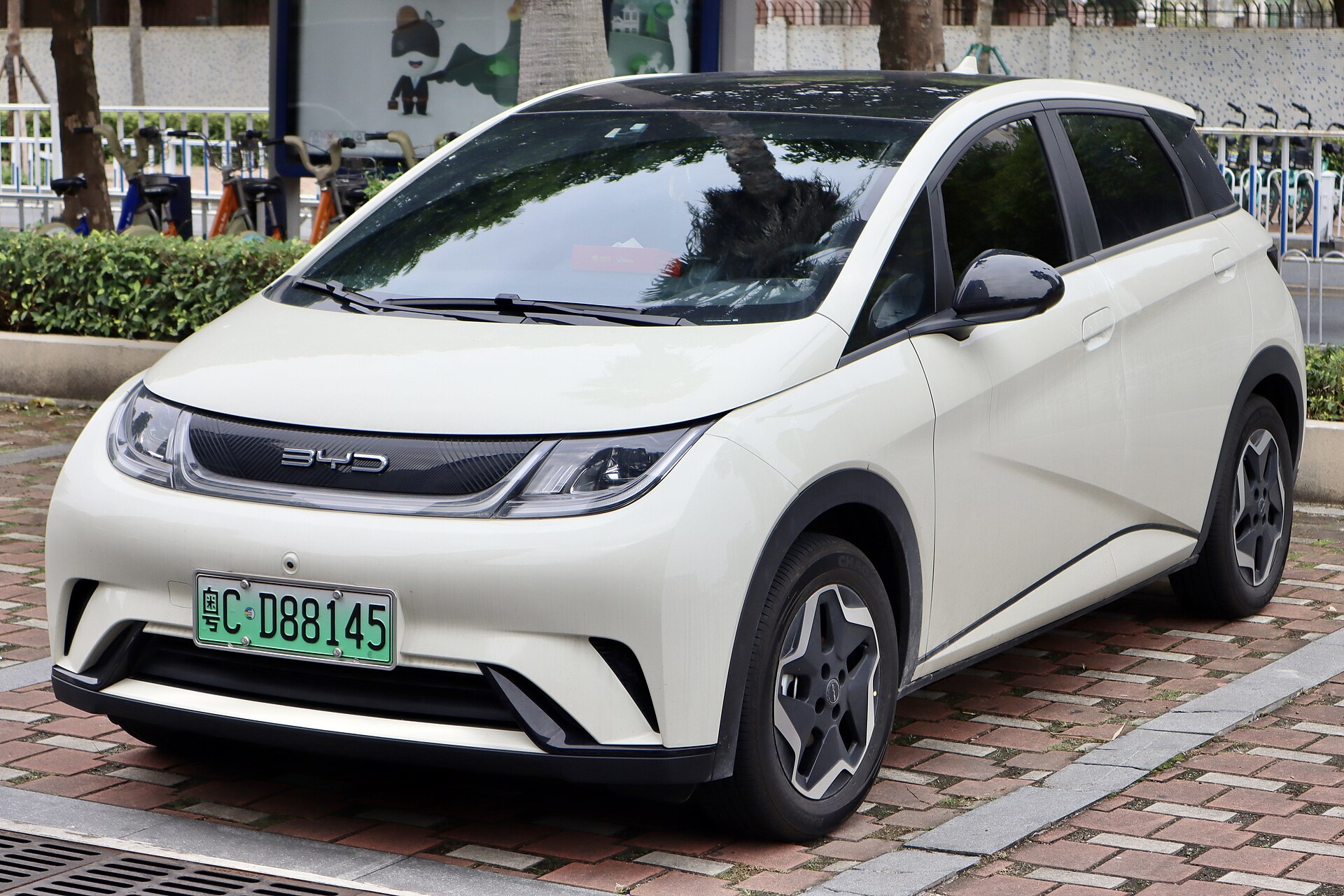
Start with one country, city and legal duty
Southeast Asia is not a single admission, steering, charging or commercial-vehicle market. Begin with the destination country and city, then define whether the vehicles will carry staff, passengers, parcels or service equipment. Name the importer, registration category, operator, depot tenure and launch date. Confirm type approval, inspection, insurance, driver licensing and any local or platform permission with the competent authorities for that exact duty, rather than relying on an ASEAN-wide sales statement.
A model sold under one name may have different steering position, lamps, battery, thermal system, charging inlet, onboard charger, connectivity and safety equipment by destination. The purchase order should lock variant, configuration code, build period and VIN range, with a controlled process for changes. ASEAN work on harmonised standards can reduce technical barriers, but the ASEAN Trade Repository expressly directs users to confirm national adoption; it does not turn one country's registration into another's.
Measure tropical duty instead of converting catalogue range
Build the energy requirement from real routes: distance, stop frequency, speed, congestion, gradients, passenger or cargo load, idling, cabin cooling and traffic diversions. Test both the hottest congested afternoon and the heaviest rain likely within normal operations. Record departure and return state of charge, energy from an independent meter, cabin and ambient temperature, journey time, alerts and driver feedback. Keep a defined dispatch reserve for detours, queues and a blocked charger rather than planning to the displayed minimum.
Heat, humidity and repeated door opening can raise cabin-cooling demand, while heavy rain, standing water and slower traffic change journey time and auxiliary use. A vehicle's wading statement is not permission to enter floodwater and must never replace local safety instructions. Pilots should include the actual tyres, payload, drivers and parking conditions. Compare candidates through the same route and measurement protocol; ranges from different test cycles or supplier demonstrations are not directly interchangeable.
Design depot electricity around dwell and rainfall
Map when every vehicle returns, its remaining energy and next departure, then design the least complex charging mix that meets the schedule. Long overnight dwell may favour managed AC; short turnarounds may require limited DC recovery. Survey utility capacity, transformer, switchgear, earthing, protection, cable routes, ventilation, impact barriers, drainage and emergency isolation before equipment is ordered. In a leased depot, align landlord consent, electrical approval, civil work and restoration obligations with the operating term.
Tropical installation details affect reliability. Put equipment, joints and communications where runoff, ponding, roof leaks and vehicle spray are controlled; use the ingress, corrosion and temperature protections required by the destination and site. A flood plan should identify safe shutdown, isolation authority, inspection before re-energisation and quarantine for a vehicle exposed to water. Load management must retain essential operation during a network outage, and the fleet needs a manual dispatch plan if the charging backend or mobile connection fails.
Treat every charging jurisdiction and network separately
Singapore requires charger type approval, installation certification and registration under its national regime, and moved its technical framework to SS 722 in 2026. Malaysia's Energy Commission publishes an EVCS framework covering approval, design, installation, operation and maintenance. Indonesia has its own ministerial regulation for charging infrastructure. These examples show why a charger package described as suitable for Southeast Asia is incomplete: the owner must establish the exact equipment, competent installer, inspection, licence and recordkeeping route in the destination.
Public charging can provide recovery, but each station must be tested with the intended vehicle. Verify the physical interface, communication, account setup, corporate payment, parking conditions, access hours, delivered power, queuing and support. A connector adapter should not be introduced without written vehicle and charger approval. For every critical route, record a verified alternative and the energy and time to reach it; app map presence, network expansion targets and a matching plug shape do not prove operational availability.
Audit local service for water, cooling and electronics
Ask the local warranty and repair entity to identify its high-voltage technicians, diagnostic access, workshop limits, mobile response and parts source. Test sample availability for the air-conditioning compressor, coolant pump, onboard charger, inlet, low-voltage battery, wheel-speed sensor, body panels and windscreen. Obtain the severe-service maintenance schedule for heat, humidity, traffic and coastal exposure. A showroom, general hotline or regional distributor name does not establish that the delivered variant can be restored quickly.
Define the response to collision, water exposure, charging faults and a suspected battery event before deployment. Drivers need a simple stop-and-report rule and must not attempt to cross floodwater because a vehicle is electric. The operator, recovery contractor, insurer, workshop and depot should agree isolation, towing, quarantine and re-entry. Test the application, local SIM, maps, account creation, remote functions, software updates and data export in the destination, including what remains usable if a connected service ends.
Model cost with local tariffs and downtime
The acquisition ledger includes vehicle, freight, insurance, port, taxes, conformity, registration, electrical connection, civil work, chargers, software, spares, training and finance. Operating lines include local energy tariffs, any demand component, charging losses, tyres, air-conditioning, cleaning, insurance, parking and downtime. Compare them with the actual incumbent duty and fuel arrangement. Do not import an incentive, electricity rate, fuel saving or residual-value assumption from a neighbouring market, and do not treat an announced charging target as guaranteed capacity.
Run sensitivity cases for delayed grid connection, lower vehicle availability, a charger fault, slower parts replenishment, tariff change, battery degradation and weak resale. Separate costs controlled by the fleet from volatile inputs, and record who carries each risk in the contract. Residual value needs a traceable battery-health report, a lawful resale path and market evidence; an unconfirmed buyback or second-life claim should not be entered as certain proceeds. This makes the pilot comparable without manufacturing a precise forecast.
Let a wet-season pilot earn the rollout
Begin with enough vehicles to exercise real dispatch, charging and service while keeping a failure manageable. The pilot should cover congested heat, heavy rain within safe operating limits, normal maximum payload, overnight charging and at least one planned public recovery. Measure on-time completion, energy, reserve, cabin comfort, charging success, communication faults, maintenance time and driver incidents. Keep a configuration and software log so a later batch cannot silently differ from the units that passed.
Expansion gates should require completed admission and charger permissions, stable route reserve, an energised depot, tested public alternatives, exportable data, trained response teams and executable repairs for critical parts. Review the cost case under adverse assumptions and confirm that insurance and commercial operation remain valid for the chosen use. If one gate fails, change the route, shift, charging plan, depot or vehicle and repeat the relevant test. Regional scale should follow repeated country evidence, not precede it.
Frequently asked questions
Can one compact EV specification be used across Southeast Asia?
Not safely on the model name alone. Steering, approval, charging, connectivity, safety equipment, taxes and commercial permissions must be confirmed for each country and exact variant.
Does a matching connector mean public charging will work?
No. Communication, voltage, current, account, payment, access and actual station condition also matter, so the intended car and site need a recorded test.
Should an EV drive through floodwater if the battery is sealed?
No general claim makes floodwater safe. Follow local warnings and the vehicle manual, avoid entry, and isolate and inspect any exposed vehicle before charging or return to service.
Is AC or DC charging better for a compact fleet?
Choose from dwell time, duty energy, grid capacity and contingency. Managed AC often suits long parking, while limited DC may support short recovery; neither is automatically best.
When should a Southeast Asian pilot expand?
After country admission, depot permission, tropical route reserve, wet-weather procedures, charging success, local repair and stressed lifecycle cost all meet pre-agreed gates.
Sources
- Search Harmonised Standards in ASEANASEAN Trade Repository · 2026-07-15
- Registration of EV ChargersLand Transport Authority Singapore · 2026-07-15
- Singapore Elevates National Standard for Electric Vehicle Charging SystemsLand Transport Authority Singapore · 2026-07-15
- Guidelines on Electric Vehicle Charging System (EVCS)Energy Commission of Malaysia · 2026-07-15
- Regulation of the Minister of Energy and Mineral Resources No. 13 of 2020Ministry of Energy and Mineral Resources of Indonesia · 2026-07-15
- Electric vehicle charging - Global EV Outlook 2026International Energy Agency · 2026-07-15