African city and fleet electrification
Electric hatchbacks for Africa: start with the country, route and charging base
Africa's EV market is developing, but approval, grids, roads and service conditions vary sharply. A compact EV is viable only when a named city or fleet can register the exact variant, charge it reliably, complete the real route and recover from faults with parts and high-voltage support.
Turn Africa into a destination country and city
A continental electric-mobility framework is taking shape, but countries still administer vehicle admission and registration. New or used eligibility, age limits, steering side, type approval, inspection, tax and charging-equipment requirements are not uniform. State the destination, importer of record, registration city, vehicle condition, planned arrival date and use. Then confirm the current rules with the responsible transport, customs, standards and energy bodies.
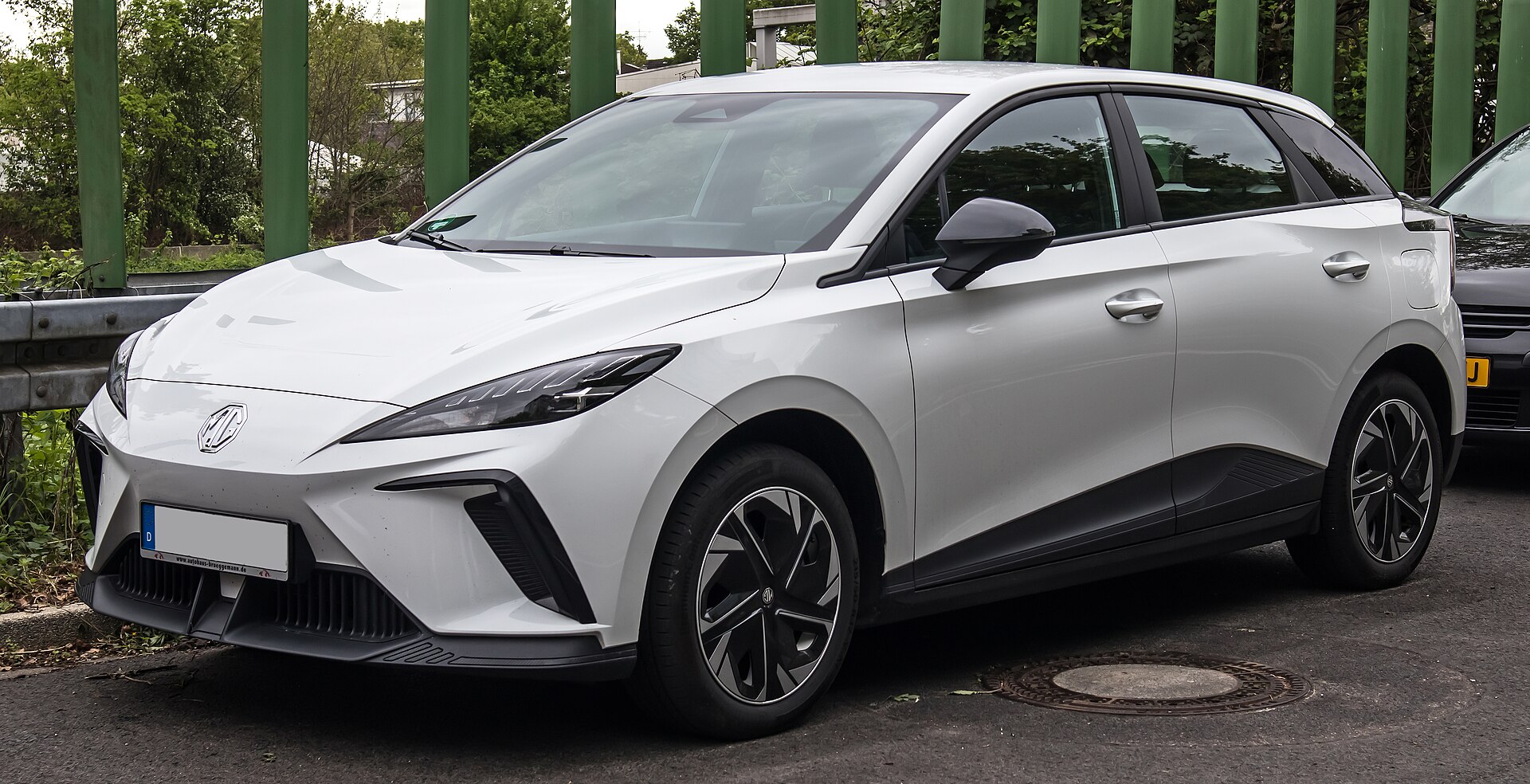
A hatchback sold under one name may have a China-domestic version and several export specifications. Lamps, inlets, software, airbags and battery thermal management may differ. Require VIN-linked build dates, configuration codes, data plates, a document schedule and vehicle photographs. A qualified destination specialist should clear the package before payment. Brand presence in one African country does not prove that the quoted variant is registrable in another.
Make the compact body pass the real road task
Urban commuting, ride-hailing, institutional shuttles and short delivery rounds may suit an electric hatchback, but the boundary of the task must be explicit. World Bank work on African roads describes differing exposure to heat, intense rain and flooding. One city can combine smooth arterials, damaged side streets, standing water and severe speed humps. Testing should use working payload and include the worst routine road and seasonal conditions.
Ground clearance alone is not a fitness certificate. Measure loaded underbody clearance and inspect battery shielding, tyre availability, spare-wheel provision, suspension travel, stated wading limit, door sealing and air-conditioning performance. If a car repeatedly grounds, depends on an uncommon tyre or has no credible recovery point, excellent urban energy consumption may still be outweighed by downtime and underbody risk.
Prove depot charging before trusting a map
Where public networks remain uneven, fixed routes and an overnight return to base can close the charging loop for a small EV. Survey site tenure, electrical capacity, outage patterns, earthing, fire provisions, parking duration and tariff structure, then use qualified designers and installers. Kenya's EPRA guidelines illustrate that siting, design, installation and operation are regulated matters; the Kenyan framework should not be assumed to govern another country.
A public-charger icon is not an operating plan. Visit each candidate stop to verify inlet, power, opening hours, payment, account access, queuing and fault support, then charge the sample car there. A fleet also needs a response to outages, such as staggered charging, verified backup sites or reduced dispatch. An unprotected extension lead or undocumented adapter is not a substitute for a compliant installation.
Assess the battery through heat, storage and used history
Heat increases cabin-cooling demand and can affect battery thermal control and charging speed. Long outdoor or port storage can add low state of charge, sun exposure and a depleted 12-volt battery. Ask for storage dates, maintenance checks, shipping state of charge, thermal-system description and warning history. Validate useful range at the hottest operating time, with payload and normal air conditioning, rather than transferring a mild-weather test result.
For a used or zero-mileage stored car, obtain the odometer record, underlying diagnostic data, test method, fault codes, collision, water-exposure and pack-repair history. The IEA notes important limits in African used-import data, so a market total cannot replace vehicle due diligence. Inspect battery shielding, cooling leaks and high-voltage isolation, and allocate responsibility for disputed tests, quarantine and movement of a damaged EV.
Lock safety evidence to the African delivery version
Global NCAP's Africa results are useful, but a rating belongs to the tested year, market and specification. Check whether electronic stability control, side and curtain airbags, child-seat anchors, autonomous emergency braking and pedestrian warning are installed on the quoted units. If the model name is shared but the safety equipment differs, do not transplant a result from a richer trim or another region.
UN R100 and UN GTR 20 provide technical frameworks for electric and battery safety; a regulation number does not itself grant destination admission. Obtain the issuer, approval number, type, variant and production scope and ask the recognised destination body to verify them. Acceptance should also cover tyre ratings, brakes, warning lamps, post-crash high-voltage information and rescue guidance, not merely screen functions.
Price inland logistics and repair time
A port price is not the cost of an operating car. Include freight, insurance, terminal charges, inspection, taxes, storage, inland transport, registration, rectification, charging works, initial parts and financing time. A landlocked destination adds transit-port, border, corridor-disruption and recovery questions. Towing and handling a disabled EV must follow the manufacturer's method rather than an improvised routine for combustion vehicles.
Test support with named failures. The local responsible entity should show stock or replenishment time for charging modules, 12-volt batteries, tyres, glass, suspension, cooling and high-voltage parts, plus diagnostic accounts, service information, insulated tools and trained technicians. A remote service that depends on a Chinese mobile number, inaccessible server or unauthorised software is not local aftersales capability.
Let a small fleet pilot produce the answer
Place the initial cars on fixed city routes with controlled base charging. Record distance by shift, energy use, charging success, outage effects, tyre and underbody wear, faults and downtime. The pilot should include heat, rain, full payload and congestion instead of selecting the easiest season. Driver observations and workshop findings should be stored beside vehicle data, with each record tied to the exact specification.
Expansion gates should cover registration completion, daily range margin, charging availability, underbody damage, parts lead time, repair access and total operating cost. Unclear destination approval, an unworkable wet-season route, insufficient depot electricity, no path for a critical component or an unexplained battery history should pause the order. The conclusion must remain specific to one country, route set and vehicle version, and later battery, tyre or software changes require fresh sampling before further orders are released. Keep every exception tied to an owner and closure record.
Frequently asked questions
Is an electric hatchback suitable for every African city?
No general answer is possible. Registration, roads, depot charging, daily distance, climate, recovery, parts and high-voltage repair all need to work together.
Is a public charging map enough evidence to buy?
No. Verify connector, payment, hours, uptime and electricity at each relevant site and charge the sample car on the target route.
Should an African importer buy only new EVs?
Both new and used vehicles require destination confirmation. Used cars add a need for traceable battery diagnostics and collision, flood, storage and repair history.
Does high ground clearance settle road suitability?
No. Check loaded clearance, battery shielding, tyres, suspension, wading limit, thermal performance and recovery arrangements together.
How can claimed local aftersales be tested?
Ask the responsible local entity for stock, part numbers, replenishment times, diagnostic rights, technician qualifications and written timings for sample repairs.
Sources
- Trends in electric cars - Global EV Outlook 2026International Energy Agency · 2026-07-14
- African Transport and Energy Ministers endorse two continental policy frameworksUnited Nations Environment Programme · 2026-07-14
- Electric Vehicle Charging and Battery Swapping Infrastructure GuidelinesEnergy and Petroleum Regulatory Authority of Kenya · 2026-07-14
- Africa ResultsGlobal New Car Assessment Programme · 2026-07-14
- Enhancing the Climate Resilience of Africa's Infrastructure: Roads and BridgesWorld Bank · 2026-07-14
- EV, HEV and FCUnited Nations Economic Commission for Europe · 2026-07-14