Latin American compact-EV sourcing
Electric hatchbacks for Latin America: verify the country, charger and safety trim
Latin America's EV market is growing, but national policy, charger density, powertrain mix and service maturity vary sharply. A procurement conclusion must belong to one country, city, exact variant and route set rather than a regional average.
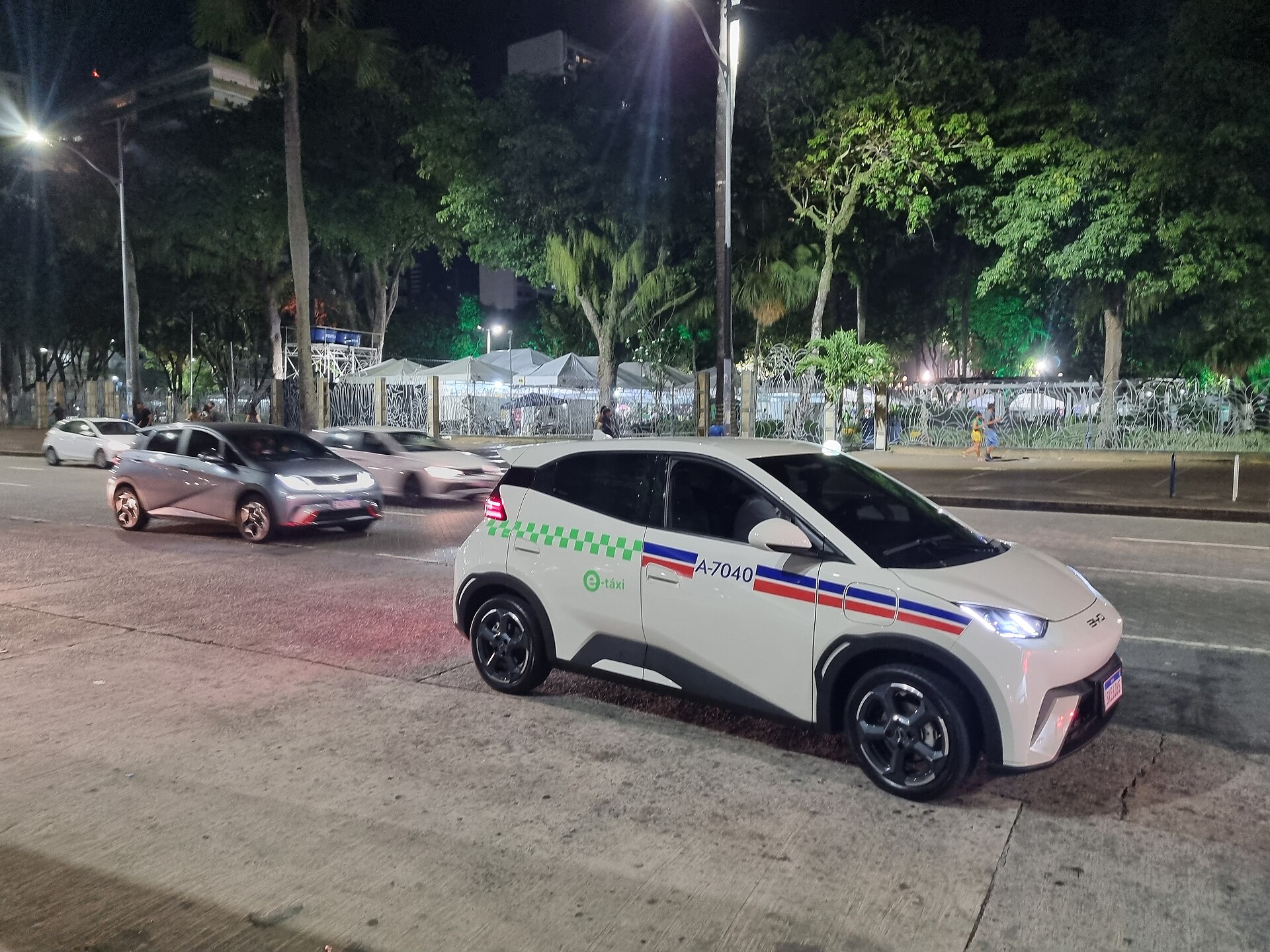
Fix the country, importer and registration date
Latin America is not one automotive territory. Duty, value-added tax, incentives, type approval, safety documents, new or used eligibility and registration are national matters that may move with fiscal and industrial policy. Before requesting a quote, name the destination country, importer of record, final city, vehicle condition, expected arrival date and retail or fleet use. Ask destination customs, transport and standards specialists to confirm the current treatment in writing.
One model name can cover a China specification, regional export versions and a distributor car. Charging inlet, lamps, infotainment language, radio functions, airbags and part numbers may differ. Require VIN, build date, configuration code, data plate, certificate schedule and photographs for each unit. Any incentive or approval conclusion must match the quoted vehicle rather than another battery, model year or production origin.
Recalculate range for city, altitude and intercity use
A hot coastal city, high-altitude capital, temperate southern market and tropical mountain route impose different energy and thermal demands. Record daily distance, maximum altitude, sustained climbing, downhill regeneration, congestion, payload, cooling or heating and parking time. Advertised results from different test cycles are not directly comparable, and mild-condition data cannot guarantee a hot motorway or high-altitude duty cycle.
Run the sample car over the hardest regular return route and record temperature, elevation, speed, state of charge, energy use and metered recharge. On long descents, observe whether regenerative braking is limited at a high state of charge and verify the mechanical brakes. The hatchback's urban footprint is valuable, but if weekend intercity travel lacks dependable charging, define that limitation before sale.
Put parking rights inside the charging plan
Regional charging infrastructure is expanding, but coverage differs between countries and cities. An apartment resident may lack an assigned bay or permission to install equipment; a fleet site may face distribution capacity, demand, business and fire requirements. Before buying cars, confirm parking rights, building approval, utility conditions, earthing and protection, metering, installation responsibility and the time vehicles will remain parked.
Public charging should be a tested component, not an assumption. At each target site verify connector, power, payment, account access, hours, queues and fault support, and confirm that the vehicle software completes a session. Cross-border and long intercity use cannot assume continuity of connector or payment systems. A national charger count does not establish the reliability of one corridor.
Verify battery condition and whole-car safety separately
UN R100 or UN GTR 20 can support electric and energy-storage safety checks, but neither states the current capacity of an individual used vehicle. For a used or long-stored car, obtain the test method, underlying diagnostics, temperature, odometer, fault codes and collision, water, storage and pack-repair history. Inspect the battery underbody, cooling leaks and high-voltage isolation.
Latin NCAP's protocol from 2026 continues to evaluate adult and child occupants, vulnerable road users and safety assistance. A result must match test year, market and specification. Compare side and curtain airbags, electronic stability control, autonomous emergency braking and required sensors with the delivered configuration. Electric propulsion does not compensate for weak crash protection.
Date every currency, port and tax assumption
A factory quote is not a registered-vehicle cost. Separate vehicle price, China inland movement, export papers, ocean freight, insurance, destination charges, inspection, duty, value-added or other tax, storage, broker, inland transport, certification work, registration, charging equipment, starting parts and financing time. Label the currency, exchange-rate date and quote validity for every line.
Do not treat a current incentive as a lifetime return. A programme may contain price, technology, importer or timing conditions, while exchange rates and terminal fees can move. Model a base case, adverse currency movement, delayed clearance and charging-work overrun. Mark costs as confirmed, estimated or awaiting a dated update from the destination agent.
Test local support with parts and software scenarios
A dealer sign does not prove that the delivered version is repairable. Ask the destination entity for stock and replenishment time for service parts, tyres, glass, suspension, charging modules, cooling components, 12-volt batteries and high-voltage items. Request written labour and waiting times for a windscreen, charge inlet, air-conditioning fault and underbody impact.
Diagnostic accounts, service literature, software servers, key programming and damaged-battery transport also matter. If the user account needs a Chinese mobile number or maps, remote functions and updates do not work locally, record the feature as absent before payment. Warranty papers should name the local legal entity, covered parts and labour, recovery, exclusions and claims path.
Let a limited pilot control expansion
Choose one first-batch use case: apartment retail, workplace charging or a fixed fleet. Do not assume all customer groups can charge. Record route distance, elevation, energy, charge success, queuing, faults, parts wait and driver feedback. Select heat, rain, cold or altitude conditions that actually represent the destination rather than an easy demonstration period.
Expansion gates should cover successful registration, route margin, parking and charging permission, safety-specification match, parts time, software operation and landed cost under stress. Unresolved tax treatment, an unbuildable charging bay, a rating that does not apply, no currency buffer or no critical-part plan should pause procurement. Keep the conclusion limited to that country, city and configuration batch.
Define the customer and the second-owner evidence
Private urban buyers, ride-hailing operators, corporate fleets and dealers have different parking, daily distance, finance and downtime constraints. Choose the primary customer before ordering and survey assigned parking, home or workplace electricity, expected holding period and the battery evidence that lenders or later buyers will request. A depot fleet's overnight access cannot be used to assume that apartment retail customers can charge.
Protect future resale by retaining battery diagnostics, service, collision, charging and software records and by confirming that a second owner can open an account and obtain parts. If the destination lacks an established independent battery-assessment practice, treat residual value as uncertain. Use a conservative assumption in finance and inventory stress cases instead of turning an unverified resale estimate into today's discount.
Frequently asked questions
Which Latin American country is best for an electric hatchback import?
Regional data cannot answer that. Compare one country's admission, tax, urban charging, route, currency, parts and customer parking conditions.
Can an apartment resident buy without an assigned parking bay?
Only after a durable charging arrangement is demonstrated through building permission, tested public charging or another compliant solution.
Does a Latin NCAP rating transfer to a same-name China version?
Not automatically. Test year, market, body and safety equipment must be matched to the delivered units.
How should currency and policy changes be handled?
Use a dated local-currency budget and stress cases, separating confirmed amounts, estimates and policy items requiring a destination update.
What evidence matters most for a used EV?
Alongside admission papers, obtain method-defined battery diagnostics, collision and water history, configuration proof and a local parts and repair plan.
Sources
- Trends in electric cars - Global EV Outlook 2026International Energy Agency · 2026-07-14
- June 2026 Electric Mobility Monitor in Latin America and the CaribbeanLatin American and Caribbean Energy Organization · 2026-07-14
- Transport Electrification: Regulatory Guidelines for the Development of Charging InfrastructureInter-American Development Bank · 2026-07-14
- Latin NCAP announces update to its assessment protocolLatin New Car Assessment Programme · 2026-07-14
- First EV tested by Latin NCAPLatin New Car Assessment Programme · 2026-07-14
- EV, HEV and FCUnited Nations Economic Commission for Europe · 2026-07-14