Hot-climate compact-EV sourcing
Electric hatchbacks for the Middle East: verify heat, jurisdiction and charging
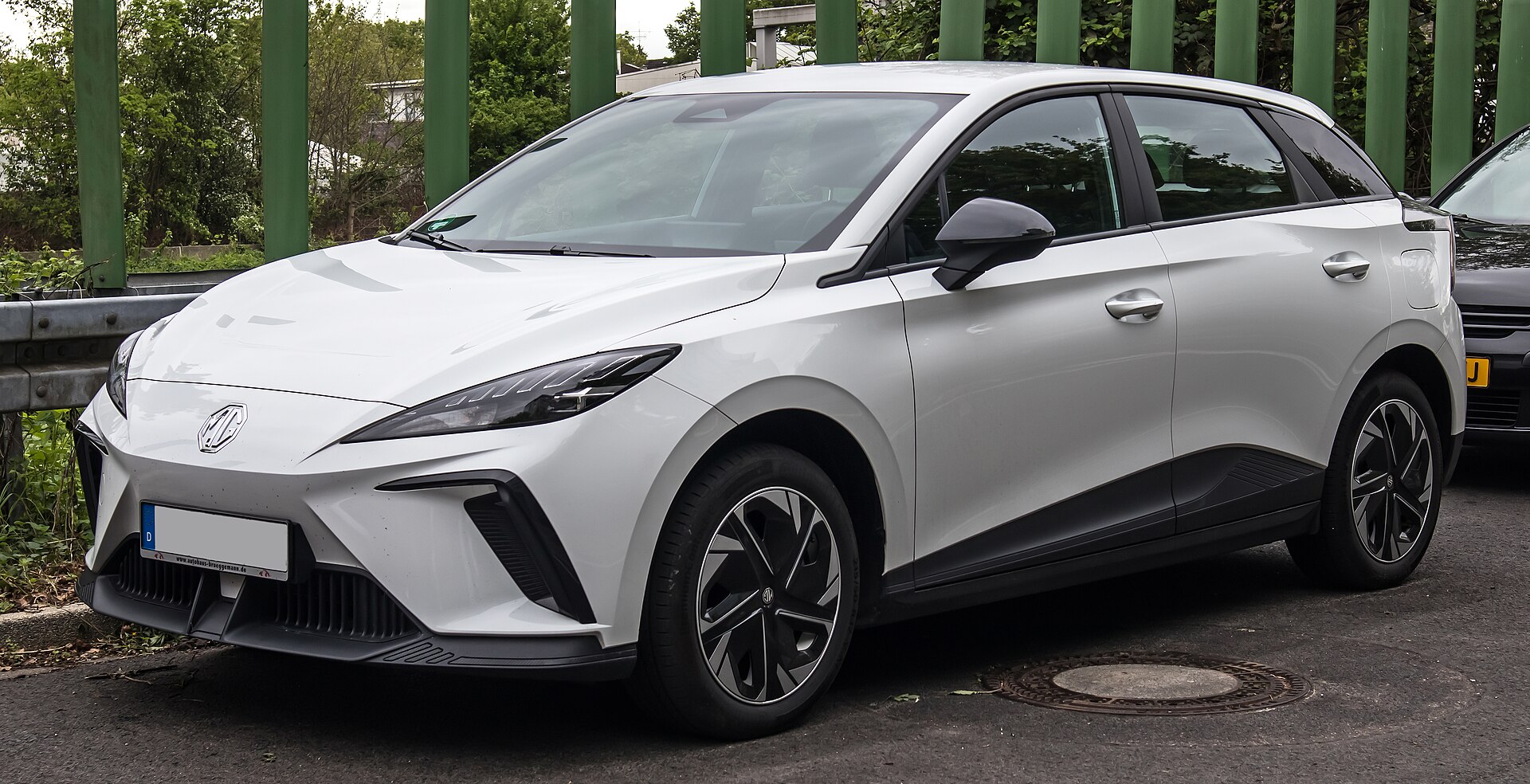
Several Middle Eastern EV markets are developing quickly, but jurisdiction, extreme heat, long highways and local responsibility decide whether a compact EV works. Free-zone stock, a familiar inlet and mild-weather range are not destination evidence.
Separate the region into country and jurisdiction
The Middle East is not one vehicle-admission territory. Saudi technical regulation, UAE federal policy and local charging rules in places such as Dubai show that road registration and charging infrastructure can involve different authorities. State the final country, city or emirate, importer, vehicle condition, intended use and arrival date. Ask a recognised destination specialist to confirm approval, labels, documents and registration steps for that case.
Free-zone storage, a re-export offer or sales in a neighbouring country do not establish destination registration. One model name may cover different lamps, inlets, thermal systems, tyres, radio equipment and safety fit. Require VIN-linked build date, configuration code, data plate, certificates and current vehicle photographs, and prevent substitution with another specification in the contract.
Test the complete car under heat soak
Hot-climate procurement is not answered by asking whether the battery is liquid cooled. Cabin pull-down after outdoor parking, sustained compressor ability, battery pre-conditioning, fast-charge derating, the 12-volt system, screens and seals all affect use. Test during a representative local hot period and record the sun-soak duration, starting cabin temperature, time to comfort and energy used.
Tyres must fit the vehicle load, speed and environment, with build dates and local supply checked. Continuous cooling, motorway speed and payload compress usable range together, so the hardest duty needs an explicit reserve. Do not promise summer distance from a night drive or mild laboratory result, and do not treat an untested hot-climate package as installed equipment.
Match charging standards and operating rules
GSO IEC 61851-24 addresses digital communication between DC equipment and the vehicle, illustrating why compatibility extends beyond plug shape. The comparison sheet should identify the vehicle inlet, AC and DC voltage, communication, software, supplied cable and target-equipment requirements. An adapter unsupported by the manufacturer and local rules is not a solution to differences between GB/T, CCS2 or another system.
The right to build and sell charging can also be jurisdictional. Dubai's current framework regulates public operators and technical requirements; other countries and cities have their own authorities. For a residence, hotel or fleet site, confirm distribution capacity, parking rights, fire provisions, shade, metering, operating permission and maintenance responsibility before ordering cars and equipment.
Separate city commuting from motorway duty
The hatchback footprint suits congestion and limited parking, but Gulf motorway speeds, intercity distance, headwind, cooling and payload change energy use. Map the daily route and longest occasional journey. Visit fast-charge stops to verify inlet, hours, payment, queuing and fault support, and keep a reserve for an unavailable site and the diversion to a proven alternative.
A sample car should complete a typical motorway return in daytime heat while speed, temperature, state of charge, arrival margin, charge curve and cooling energy are logged. If a hot battery causes lower charging power, put the observed wait in the schedule. A compact city car can have an honest city boundary; it need not be advertised as suitable for every highway task.
Check electric safety and crash specification together
UN R100 and UN GTR 20 provide technical frameworks for electric-powertrain and energy-storage safety. Destination rules may adopt or reference them, but a certificate number does not complete local admission. Obtain the issuer, approval number, type, variant, production range and test-report schedule, and have the destination-recognised party connect them to the quotation's VINs.
Battery evidence does not replace whole-car crash protection. Confirm electronic stability control, airbags and curtains, child-seat anchors, autonomous emergency braking, pedestrian warning, tyre-pressure monitoring, post-crash high-voltage isolation and rescue information. If a parallel-import specification lacks sensors or software services, it cannot borrow another market's safety claims.
Make Arabic, software and repair deliverables
An Arabic menu is only one layer of localisation. Test right-to-left layout, maps, voice, mobile application, charger search, emergency calling, time zone, remote cooling and software updates in the destination. A function that depends on a Chinese mobile number or inaccessible server should be listed as unavailable rather than retained in the quotation.
The local responsible entity should show stock or replenishment paths for compressors, cooling circuits, charging modules, tyres, glass, 12-volt batteries, suspension and high-voltage parts, plus working diagnostic accounts, insulated tools and trained staff. Warranty wording must name the legal entity, labour, recovery, dust or heat exclusions and the claims timetable.
Use a hot-season pilot to control stock
Landed cost includes vehicle, origin movement, ocean freight, insurance, terminal charges, tax, storage, certification, registration, heat-related rectification, charging works, initial parts and financing time. If stock enters a free zone before re-export, confirm documents, insurance and storage for both legs and final-country admission separately. Re-export convenience is not registration convenience.
Run the first cars during the hot season through outdoor parking, city congestion, motorway returns, daytime fast charging and overnight AC charging. Record cabin pull-down, energy, charging derating, faults, tyres, parts and downtime. Unclear approval, insufficient hot-duty margin, unusable payment, non-working Arabic or connected functions, or no critical-part path should stop expansion.
Audit storage history, insurance and incident response
Available stock may have spent months at a port, free zone or outdoor yard. Check the storage entry date, shade, periodic charging, 12-volt battery maintenance, tyre flat spotting, coolant, fault codes and recall status, then repeat battery and air-conditioning checks before release. Low odometer mileage does not mean that heat exposure or storage ageing is absent. The handover record should also identify who maintained the cars, which charger was used and whether protective transport mode was correctly disabled before delivery.
Insurance and incident planning should address recovery, quarantine, fire-service contact, damaged-battery storage and the arrival of a qualified high-voltage technician. Identify who makes decisions after a thermal warning in a workshop, car park or residence, where the vehicle may be moved, and whether cover excludes parallel imports or unauthorised software and charging modifications.
Frequently asked questions
Can free-zone stock be registered directly in the Middle East destination?
Do not assume so. Free-zone or re-export status and road registration are different; destination approval must be checked against each VIN.
Does liquid cooling guarantee hot-climate performance?
No. Test battery pre-conditioning, charge derating, sustained cabin cooling, heat soak and motorway range under load.
Does a CCS2 inlet guarantee every local fast charger works?
No. Voltage, communication, software, operator access, payment, licensing and equipment condition must also match.
How can Arabic support be verified?
Test menus, layout, maps, application, account, remote cooling, emergency call and updates in the destination and include them in acceptance.
When should the initial batch be tested?
Use representative local heat with outdoor parking, congestion, motorway running, AC and DC charging and realistic payload.
Sources
- The National Electric Vehicles PolicyUnited Arab Emirates Government · 2026-07-14
- Regulatory Framework for EV Charging InfrastructureDubai Electricity and Water Authority · 2026-07-14
- Technical Regulation for Electric Vehicles - Version 3Saudi Standards, Metrology and Quality Organization · 2026-07-14
- GSO IEC 61851-24:2024GCC Standardization Organization · 2026-07-14
- EV, HEV and FCUnited Nations Economic Commission for Europe · 2026-07-14
- Trends in electric cars - Global EV Outlook 2026International Energy Agency · 2026-07-14