Global MPV procurement
Chinese MPV Procurement: Is the Vehicle Fit for Passenger Duty?
Importing a Chinese MPV? Verify the seating layout, passenger access, payload, luggage, climate system, powertrain, safety scope, approval and parts support before paying.
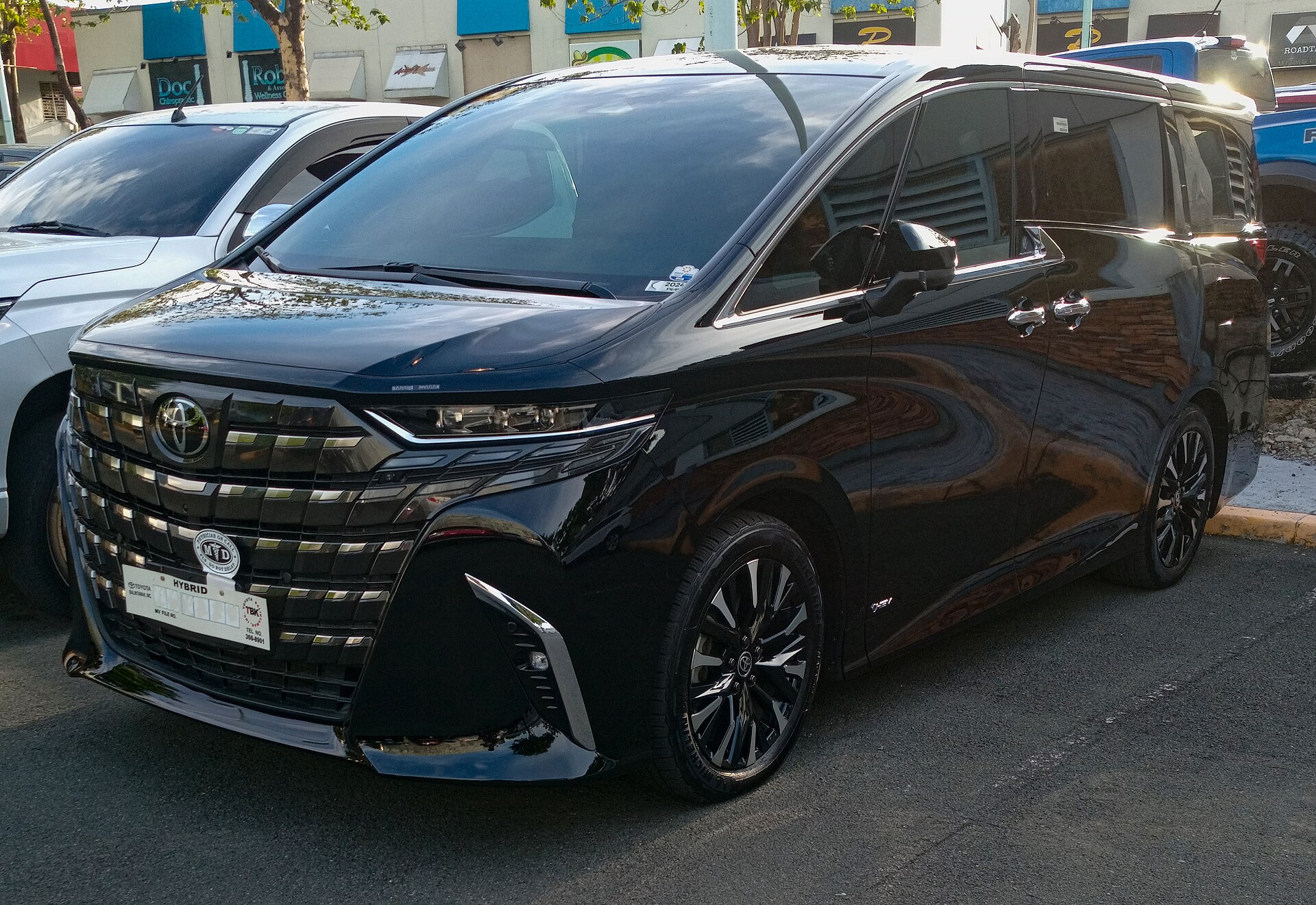
Passenger duty defines the specification
An MPV bought for a family, hotel shuttle, airport transfer, corporate fleet or ride service should not be evaluated by seat count alone. Define adult/child mix, luggage, trip length, door cycles, climate, road surface and daily utilization first.
A seven-seat or nine-seat badge says nothing about usable aisle width, third-row comfort, baggage with all seats occupied or legal payload.
Seat plan and access must be checked on the offered unit
Obtain clear photos or video of every seating row, seatbelts, head restraints, child-restraint anchors, aisle, sliding doors, emergency release and step height. For converted vehicles, obtain the conversion approval or engineering certificate that the destination requires.
Do not assume a safety rating for a related five-seat model covers an MPV conversion or a different seating layout.
Payload and luggage compete with passengers
Use certified gross mass and axle limits, then calculate passengers, luggage, spare wheel, accessories and any wheelchair or VIP conversion. Measure usable luggage space with the actual seating plan in use.
A people carrier can look spacious while having little remaining legal payload once all seats are occupied.
Climate and powertrain affect fleet uptime
For hot markets, verify rear evaporators, vents, cooling capacity and idle/low-speed performance. For cold markets, verify heating and defrost. Fuel, hybrid and EV versions also need destination-specific fuel, charging, battery and rescue support.
A shuttle that cannot maintain cabin temperature or obtain powertrain diagnostics locally can create more downtime than a cheaper purchase price saves.
Safety evidence and destination admission are different
Use independent safety results only within the stated model, build-date and seating scope. Separately confirm destination requirements for seatbelts, child restraints, emergency exits, lighting, emissions, steering side and commercial passenger use.
WTO conformity-assessment principles explain why testing, inspection and approval can be required; UNECE WP. 29 provides an international vehicle-regulation framework but is not a universal registration certificate.
Build the after-sales plan before the order
Name the destination workshop, diagnostic access, door and seat parts, glass, lamps, HVAC parts, tyres, powertrain parts and software support. Fleet buyers should estimate vehicle-off-road time, not just parts price.
Proceed only with one complete identity packet
The contract should identify VIN, model code, seats, body/door configuration, powertrain, gross mass, safety evidence, destination approval owner, supplied accessories and landed-cost scope. Unresolved seating or conversion legality is a stop condition.
Build a passenger-duty evidence pack before payment
An MPV used as a hotel shuttle, airport transfer, family carrier, corporate fleet vehicle or ride-service unit should have one passenger-duty file attached to the exact VIN. The file should identify the seat count and actual seating plan, seatbelts, head restraints, child-restraint anchor points where relevant, sliding-door arrangement, aisle width, entry step, emergency release and any conversion work. It should also state certified gross mass and axle limits and show a payload calculation that includes all passengers, luggage, spare wheel, accessories and any wheelchair or VIP equipment. A nominal seven-, eight- or nine-seat label is not enough if the vehicle has little legal payload or luggage space when every seat is occupied.
The evidence pack should then connect the passenger layout to climate, powertrain, safety and service. For hot-market duty, confirm rear evaporators or rear-zone HVAC, vent distribution and the ability to cool the cabin during low-speed operation. For an EV or PHEV, add charging hardware, battery-service capability and rescue information; for an ICE vehicle, confirm fuel and emissions support. Record the exact independent safety-assessment scope rather than copying a rating from a related model. Finally, name the destination workshop and verify availability of sliding-door components, seat hardware, glass, lamps, HVAC parts, tyres, diagnostic software and calibration support. For a commercial passenger operation, vehicle-off-road time can be more expensive than a small difference in purchase price.
Stop conditions for an MPV order
Pause the order if the supplier cannot show the exact seat layout or if a converted interior has no engineering or approval evidence required by the destination. Stop if the vehicle is described as a “nine-seater” but the mass calculation ignores nine occupants and their luggage, or if emergency access, seatbelt anchorage or child-restraint requirements are being assumed from another market. A safety score should never be used as a substitute for proving that the tested body, build period and seating configuration match the offered unit.
The order is also not ready when climate or service capability is only a promise. A shuttle that spends its life in high ambient temperatures needs more than front-cabin air-conditioning, and a door-intensive fleet needs a realistic plan for rollers, motors, latches and control units. If the destination requires separate commercial-passenger approval, licensing or inspection, identify who owns that process before shipment. Proceed only when the VIN, seating plan, mass, safety evidence, destination admission and after-sales route describe one coherent passenger vehicle rather than pieces borrowed from several brochures.
Operational comparison should use a duty cycle, not a showroom impression
When two MPVs both appear to meet the basic seating requirement, compare them against a realistic duty cycle. Estimate how many passengers and bags are carried on the busiest trip, how often the sliding doors operate, how long the engine or electric system idles or crawls in traffic, how many hours the air-conditioning runs, where the vehicle is parked between trips and how quickly a local workshop can return it to service. This turns comfort and reliability into measurable procurement questions. A cheaper MPV with weak rear cooling, limited luggage at full occupancy or poor door-parts support can create more lost trips than the initial saving justifies. For a fleet, record which parts should be held locally and which failures would immobilise the vehicle. That operational comparison belongs in the final recommendation alongside the purchase price.
Frequently asked questions
What must be confirmed before payment?
Confirm the exact vehicle or shipment identity, legal route, passenger duty, regulatory identity, route conditions and service continuity, destination acceptance and the responsible party for every unresolved cost or service item.
Can a brochure settle this purchase?
No. A brochure can describe a model family, but MPV for cross-border comparison requires VIN-linked documents, dated authority evidence and a route-specific cost record.
When should the transaction pause?
Pause when a seller cannot reconcile identity, inspection scope, destination approval, payment beneficiary or after-sales responsibility in writing.
What makes the final recommendation reliable?
A reliable recommendation names the vehicle, source market, destination, evidence date, document owner and the condition that would reopen the decision.
Sources
- WP.29 - PresentationUnited Nations Economic Commission for Europe · 2026-07-15
- Agreement on Technical Barriers to TradeWorld Trade Organization · 2026-07-15
- FleetSafe: Global NCAP fleet safety guide and safer purchasing policy 2025-2026Global NCAP · 2026-07-15
- Global EV Outlook 2026 - Executive summaryInternational Energy Agency · 2026-07-15
- Logistics Performance Indicators 2.0 - AboutWorld Bank · 2026-07-15
- Incoterms 2020 checklist and flowchartsInternational Chamber of Commerce · 2026-08-26