Global PHEV procurement
Buying a Chinese PHEV for Export: What Should an Overseas Buyer Verify?
Buying a Chinese plug-in hybrid for export? Verify the exact VIN, battery and charging system, destination approval, real charging use, warranty and after-sales path before paying.
A PHEV is useful only when its use case matches the buyer
A plug-in hybrid can be attractive for an importer because it combines an externally rechargeable battery with an internal-combustion engine. That flexibility can reduce fuel use on repeated short trips while retaining petrol-powered range for longer journeys. It does not mean every PHEV is automatically a better export purchase than an EV or a conventional hybrid.
The first sourcing question is therefore not which Chinese PHEV has the longest advertised combined range. It is whether the destination customer can charge regularly, whether fuel quality and service support are suitable, and whether the exact vehicle version can be registered and maintained in the target market. The U. S. Department of Energy notes that PHEV fuel use depends strongly on how often the vehicle is charged. That makes charging behaviour part of the commercial case, not a minor specification.
Do not compare range figures without the test method and exact version
PHEV marketing commonly presents electric-only range, total range, fuel consumption and battery capacity together. Buyers should separate these numbers. Electric range may be measured under CLTC, WLTP, NEDC or another local procedure, while total range can depend on fuel-tank size, battery state and the test assumptions used by the manufacturer.
Ask the supplier for the exact trim, model year, VIN and market specification. A range number from a Chinese domestic brochure should not be copied to a vehicle built for another market unless the version and test method match. For fleet purchasing, record the quoted range together with the source document and test cycle so that competing offers can be compared on the same basis.
Charging access changes whether the PHEV saves money
A PHEV that is rarely plugged in may spend much more time operating as a petrol-powered hybrid. Buyers should therefore assess home, depot or workplace charging before treating electric range as a guaranteed operating-cost saving. The IEA continues to identify private and home charging as an important part of EV and PHEV charging behaviour even as public networks expand.
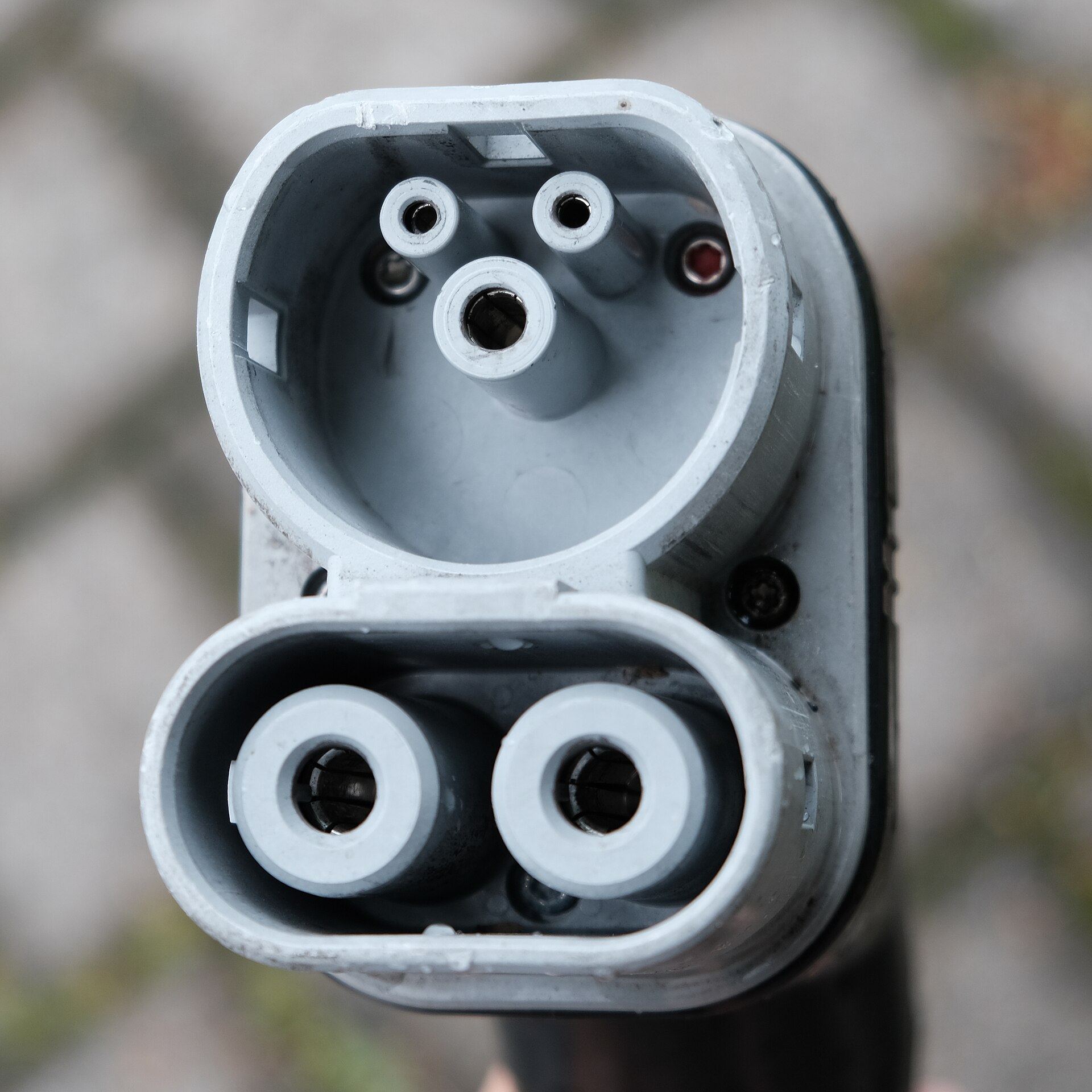
Check the physical inlet, AC charging power, any DC capability, local voltage and frequency, cable supply and whether the onboard software supports the destination language and charging environment. Do not assume that a connector that fits physically guarantees full charging compatibility.
Approval and registration must be checked before shipment
An exported PHEV combines an engine, high-voltage battery, charging equipment and electronic systems, so destination-market conformity can involve more than one technical area. The WTO framework on conformity assessment illustrates why certificates, tests and inspection procedures are market-specific rather than globally interchangeable.
Before paying a deposit, ask which documents the destination authority will accept for the exact VIN and version. Depending on the country, this may include type approval, emissions evidence, safety documentation, battery or electrical documentation, customs papers and proof of origin. Do not let a supplier replace a destination-country requirement with a document that is valid only in China.
For used or nearly-new vehicles, verify export status and history
If the PHEV is used, registered or previously delivered, the sourcing process must also establish ownership history, first-registration date, odometer evidence, accident or repair history, battery condition, warranty start date and whether the vehicle is legally exportable through the proposed channel.
China has formal rules for used-vehicle exports, and buyers should use the exporter’s current documentary evidence rather than assume every registered vehicle can be shipped in the same way. A VIN-linked inspection record is much more useful than a generic model description.
Warranty and after-sales support can matter more than the headline specification
A PHEV has two propulsion systems to support: the combustion side and the high-voltage electric side. Ask who can diagnose the vehicle in the destination country, whether software access and parts are available, and whether the manufacturer or seller warranty remains usable after export.
If the exporter offers its own warranty, separate that promise from the manufacturer warranty and put the responsible company, duration, exclusions, parts, labour and transport responsibility into the contract. Incoterms such as FOB or CIF allocate specific delivery and cost responsibilities; they do not automatically solve warranty, registration or after-sales obligations.
Pre-payment decision rule
Before approving a Chinese PHEV order, confirm the exact VIN and version, destination approval path, charging interface and power, battery evidence, fuel requirement, first-registration status, warranty route, parts and diagnostic support, and the real landed-cost basis of the quotation.
If a critical item cannot be verified, keep it unresolved and price that uncertainty into the decision. A PHEV is a strong export choice when its charging pattern, regulatory status and after-sales pathway are proven for the destination—not simply because the brochure shows a large combined-range number.
Frequently asked questions
What must be confirmed before payment?
Confirm the exact vehicle or shipment identity, legal route, two power systems, charging evidence and fuel-service support, destination acceptance and the responsible party for every unresolved cost or service item.
Can a brochure settle this purchase?
No. A brochure can describe a model family, but plug-in hybrid for cross-border comparison requires VIN-linked documents, dated authority evidence and a route-specific cost record.
When should the transaction pause?
Pause when a seller cannot reconcile identity, inspection scope, destination approval, payment beneficiary or after-sales responsibility in writing.
What makes the final recommendation reliable?
A reliable recommendation names the vehicle, source market, destination, evidence date, document owner and the condition that would reopen the decision.
Sources
- Plug-In Hybrid Electric VehiclesU.S. Department of Energy Alternative Fuels Data Center · 2026-07-15
- Electric vehicle charging, Global EV Outlook 2026International Energy Agency · 2026-07-15
- EV, HEV and FCUnited Nations Economic Commission for Europe · 2026-07-15
- UN Regulation No. 101, Revision 3United Nations Economic Commission for Europe · 2026-07-15
- Conformity assessment proceduresWorld Trade Organization · 2026-07-15
- Announcement No. 6 of 2024 on Matters Concerning the Export of Used VehiclesMinistry of Commerce of the People's Republic of China · 2026-07-15
- Incoterms 2020 checklist and flowchartsInternational Chamber of Commerce · 2026-07-15