Global PHEV procurement · Southeast Asia
Chinese PHEV Sourcing for Southeast Asia: Country Rules, Emissions and Charging
Use this guide to turn “Chinese PHEV Sourcing for Southeast Asia: Country Rules, Emissions and Charging” into a documented decision on the exact vehicle, destination acceptance, sample test and contract responsibility before payment.
Opening
Southeast Asia is not a single PHEV registration or emissions market. Buyers should verify the destination country’s emissions/tax treatment, registration evidence, charging interface, right- or left-hand-drive requirement, tropical service conditions and warranty route before ordering. A PHEV that looks competitive on a Chinese CLTC or NEDC-style range headline may be evaluated differently by the destination’s registration or emissions system. The buyer needs the test basis and the destination calculation, not just the biggest range number. This distinction matters because an export page is useful only when the buyer can trace a statement back to the exact market, version and evidence that supports it. A polished specification table is not enough if its rows come from different countries or model years.
Verified evidence used in this page
The evidence below is deliberately narrow. Singapore’s 2026-2027 VES applies a 0. 4 g CO2/Wh electricity factor when rating electric or plug-in hybrid cars; this is a Singapore-specific emissions/tax treatment. Notice how each statement carries a market or testing boundary. That is the boundary the published page should preserve.
Pre-payment verification
Before payment, build a file that covers: exact VIN and derivative identity; source market and model-year boundary; destination-country approval and registration path; charging inlet, onboard charging power and local interoperability; powertrain, drivetrain and test-cycle basis; parts, workshop, diagnostics, software and warranty continuity; official documents, dates and source URLs used for each claim. Ask for photographs or documents that can be tied to the VIN where appropriate. Reconcile mileage, build date, derivative codes and visible equipment with the written offer. If a key field changes between the quotation and physical vehicle, stop and re-check rather than treating it as a minor editorial difference.
Conclusion
Chinese PHEV Sourcing for Southeast Asia should be treated as an evidence-matching problem. The buyer does not need every possible fact; the buyer needs the right facts for the exact vehicle and destination. Southeast Asia is not a single PHEV registration or emissions market. Buyers should verify the destination country’s emissions/tax treatment, registration evidence, charging interface, right- or left-hand-drive requirement, tropical service conditions and warranty route before ordering. If the evidence cannot support that chain, the responsible conclusion is 'not yet verified,' not a guessed answer.
Treat each country as a separate project
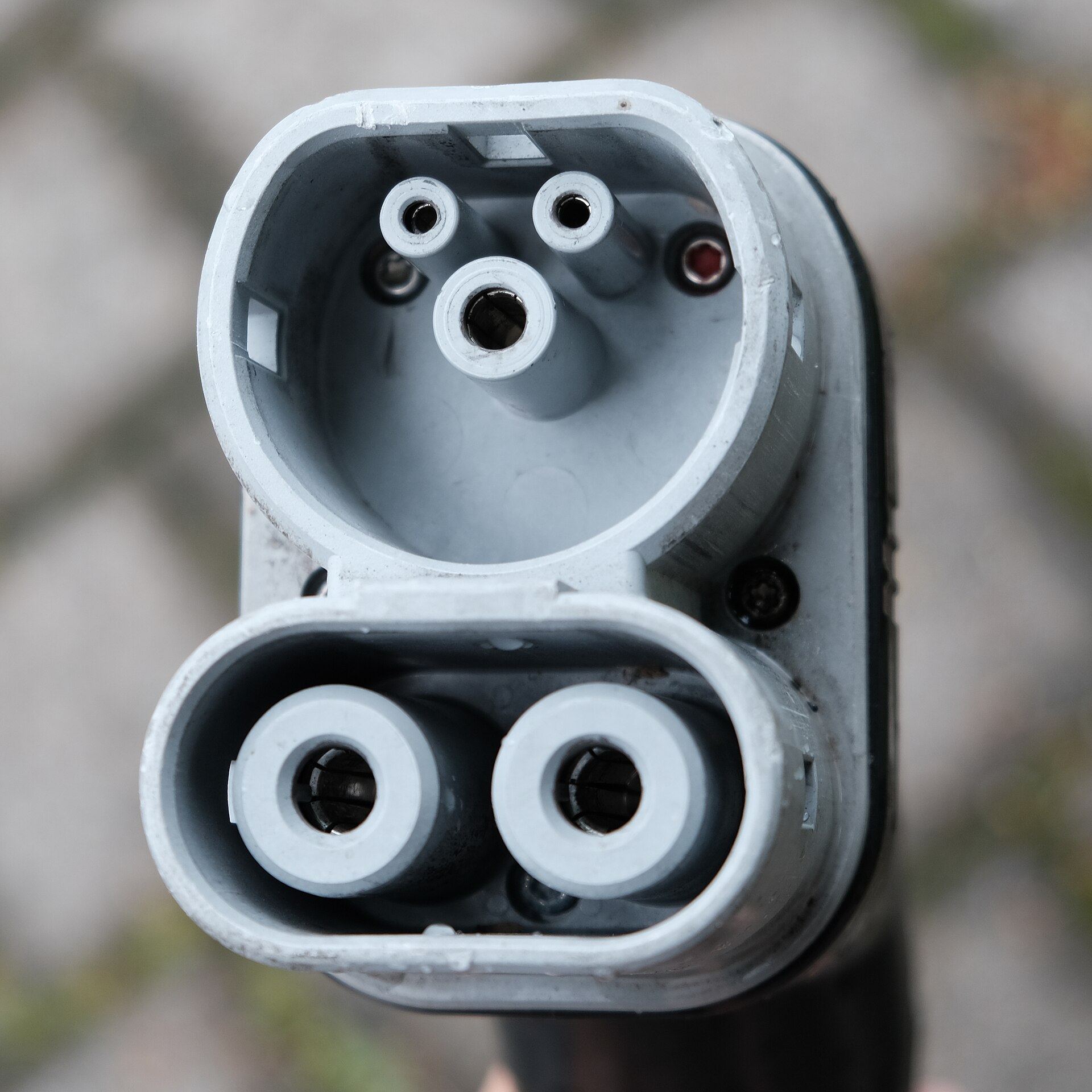
Singapore's LTA requires chargers to meet national technical standards and follow type approval, installation certification and registration processes. Malaysia's Energy Commission publishes EVCS guidance. Indonesia's Ministerial Regulation No. 13 of 2020 covers public and private charging and battery swapping. These systems share a safety purpose, but they do not create one interchangeable ASEAN approval.
Use country, steering side and duty cycle as the first filter
State the country of registration, importer, vehicle category, new or used status and private, ride-hailing, taxi or fleet use. Southeast Asia contains both right- and left-hand-drive markets. Steering conversion is not a normal option: steering, lamps, wipers, airbags, controls and instrument information may form part of whole-vehicle approval, and an unrecognised conversion creates safety and registration risk.
Freeze the scope before comparing 1: FOB vs CIF vehicle quotes for Southeast Asia: include permits and island delivery
For “FOB vs CIF vehicle quotes for Southeast Asia: include permits and island delivery”, the scope boundary is tested against the direct record International Chamber of Commerce — Incoterms 2020 Checklist and Flowcharts — https://library.iccwbo.org/content/clp/Others/incoterms_2020_checklist_2024-update.pdf. The working question is “FOB vs CIF vehicle quotes for Southeast Asia: include permits and island delivery”. The staged evidence note limits this source to the following point: FOB and CIF for maritime delivery and the relevance of FCA or CIP for containerised and multimodal carriage. The buyer records issuer, date, applicable country, exact vehicle or shipment, original language and independent lookup result. Anything outside that boundary remains an open assumption and cannot support payment, loading or final approval. State the destination country, discharge terminal, importer, final city or island, expected declaration date, registration market and physical handover. If the main vessel reaches a regional hub before a feeder, barge, ferry or road leg, identify the transship Do not assume it does. CIF reaches the named port; feeder, ferry, inland and final delivery require separate cost and insurance confirmation. The answer must be tied to the exact VIN, destination rule and dated evidence;
Frequently asked questions
Are a PHEV and a range-extended EV always the same thing?
Confirm the exact VIN and dated manufacturer evidence before payment. This check belongs to “Chinese PHEV Sourcing for Southeast Asia: Country Rules, Emissions and Charging”.
Can electric-range figures from different test cycles be ranked directly?
Compare the same derivative and destination rule before ranking candidates. This check belongs to “Chinese PHEV Sourcing for Southeast Asia: Country Rules, Emissions and Charging”.
Does a UN E mark allow export and registration anywhere?
Test a representative unit and retain the measured result with its conditions. This check belongs to “Chinese PHEV Sourcing for Southeast Asia: Country Rules, Emissions and Charging”.
Does a brand-new PHEV still need independent inspection?
Assign the unresolved cost, delay and responsible party in the purchase contract. This check belongs to “Chinese PHEV Sourcing for Southeast Asia: Country Rules, Emissions and Charging”.
Sources
- Global EV Outlook 2026 - Trends in electric carsInternational Energy Agency · 2026-07-16
- Agreement on Technical Barriers to TradeWorld Trade Organization · 2026-07-16
- UN GTR No.22: In-vehicle Battery Durability for Electrified VehiclesUnited Nations Economic Commission for Europe · 2026-07-16
- Used Vehicles and the Environment: Update and Progress 2024United Nations Environment Programme · 2026-07-16
- Conformity assessment proceduresWorld Trade Organization · 2026-07-16
- Plug-In Hybrid Electric VehiclesU.S. Department of Energy Alternative Fuels Data Center · 2026-07-16