Cross-border vehicle procurement
Choose RoRo or Container for Southeast Asia
For RoRo versus container shipping in Southeast Asia, the buying decision starts with one concrete transaction. The practical aim is to choose the transport method from the actual route, vehicle condition and handoff risks. Name the country first because steering side, registration, emissions/tax treatment, port routing and charging or fuel conditions can differ across southeast asia. Keep source evidence, destination confirmation and live commercial data in separate layers so a buyer can see which conclusions are proved and which still depend on the actual deal.
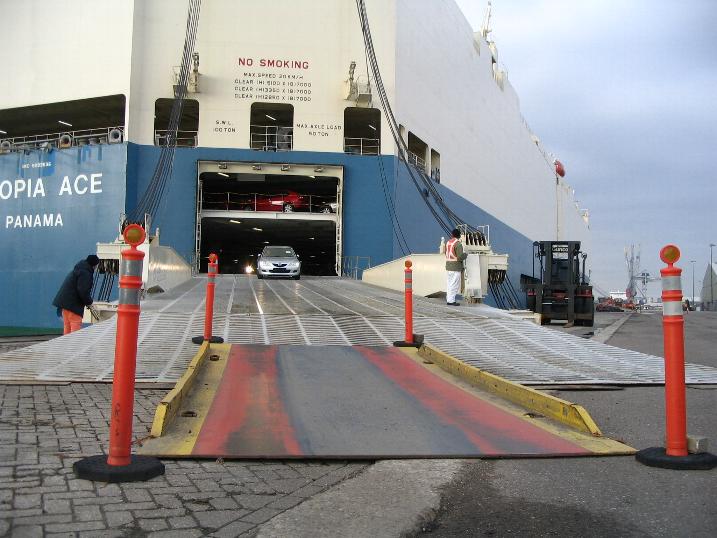
Compare damage and insurance exposure
A destination-fit review for RoRo versus container shipping should examine steering/version fit, tropical use, charging or fuel interface, port/transshipment route, registration and local workshop support. In Southeast Asia, also trace the source-market unit through the actual country, port or transshipment path to registration and service. None of this creates a single regional rule. It simply ensures that the transaction survives contact with the named country, port, route and support network.
Roro/container: build the country-and-route decision file
Turn the buying decision into a live worksheet before payment. Write the Southeast Asia destination and the exact transaction at the top, then copy only the decision-changing fields from origin/destination ports, route and transshipment, operability, dimensions, fuel/battery rules, loading/securing method, keys/condition record, insurance, destination release and inland delivery. Beside each field, record the evidence source, date and owner. Add one row for the failure case—RoRo looks cheaper until route availability, destination handling or vehicle operability is considered, while container service creates its own loading and securing responsibilities—and state what proof would prevent it. Finally, record the current commercial items that must be refreshed: keep country-specific rules, port schedules, route costs, charging/fuel access and service promises dated and local. This exercise prevents a static regional assumption from taking over: the verification framework supplies the method, while the buyer's file carries the country, vehicle, route and quote that exist today.
Vehicle operability changes the RoRo decision
Treat RoRo versus container shipping as a decision system. Its purpose is to choose the transport method from the actual route, vehicle condition and handoff risks. The transaction record therefore needs origin/destination ports, route and transshipment, operability, dimensions, fuel/battery rules, loading/securing method, keys/condition record, insurance, destination release and inland delivery. A missing item is not automatically a rejection, but it must remain visible until the buyer decides whether the uncertainty is material.
Follow the route through destination release
Before approval, deliberately assume the transaction has one hidden flaw: RoRo looks cheaper until route availability, destination handling or vehicle operability is considered, while container service creates its own loading and securing responsibilities. Can the saved evidence detect it without calling the original salesperson? If not, the file is still fragile. Obtain the missing proof and record the resolution so logistics or ownership teams can understand the decision later.
Record condition, keys and securing at handoff
A model name, Incoterm, seat count or transport label does not make two offers comparable. Normalize route availability, vehicle operability/dimensions, loading/securing, damage exposure, insurance, destination handling, timing and final delivery. Keep unknown fields open. Once the buyer can explain the differences without guessing, the headline price becomes a useful decision input rather than a distraction.
Choose the route before the transport label
Start by writing the transaction boundary in plain language. For RoRo versus container shipping in Southeast Asia, that means the exact vehicle or shipment plus the named destination country and route. Name the country first because steering side, registration, emissions/tax treatment, port routing and charging or fuel conditions can differ across southeast asia. The regional page is therefore a map of questions, not a substitute for a national rule. If a claim belongs to one market, port, authority or manufacturer document, keep that scope visible beside the claim instead of turning it into a regional average.
Container loading creates a different responsibility chain
A reliable transaction separates proof of identity, proof of technical/commercial scope and proof of destination fit. In this case, use current forwarder/carrier or port-route evidence plus written loading, insurance and handoff responsibilities. Keep screenshots or saved references with dates where appropriate, but reopen critical live sources before payment because route, price, policy or support information can change.
Keep schedules and charges live
Separate durable controls from live fields. The durable layer is the evidence method. For Southeast Asia, keep country-specific rules, port schedules, route costs, charging/fuel access and service promises dated and local. Commercial values and local eligibility can change without the procurement principle changing, so update the live file rather than pretending the old answer remains true.
Book only when every handoff has an owner
Before payment, ask whether one unresolved point can still reverse the transaction. For RoRo versus container shipping, stop when a critical route, loading, operability, insurance or destination handoff remains undefined. Minor preferences may remain open; material identity, destination, capability, condition or commercial gaps may not. Record who closed each major item and preserve the evidence with the final quotation.
Evidence required before country and route release
RoRo versus container shipping / Southeast Asia: exact vehicle or shipment identity
RoRo versus container shipping / Southeast Asia: origin/destination ports and other decision-changing fields
RoRo versus container shipping / Southeast Asia: dated evidence for the claimed scope
RoRo versus container shipping / Southeast Asia: destination-country or route confirmation kept separate
RoRo versus container shipping / Southeast Asia: commercial inclusions, exclusions and validity
RoRo versus container shipping / Southeast Asia: written list of unresolved material items and responsible party
Frequently asked questions
What must be fixed before requesting a quote? — RoRo versus container vehicle shipping
Fix the destination, importer, exact vehicle version, quantity, operating task, route and evidence date. A quote without those boundaries cannot be compared reliably. Keep original files and written answers so another reviewer can reproduce the conclusion.
Which evidence is not sufficient on its own? — RoRo versus container vehicle shipping
A brochure, seller screenshot, isolated photograph, regional model name or verbal assurance is not enough. Match independent and official evidence to the same vehicle and destination. Use the final authority and delivered version; names used in advertising do not establish compliance.
When should the buyer run a sample? — RoRo versus container vehicle shipping
Run a sample whenever registration, loading, climate, road duty, diagnostics or after-sales support has not already been demonstrated for the exact version and route. Separate confirmed, excluded and unknown costs, and assign every unknown an owner and deadline.
Which findings should stop payment or shipment? — RoRo versus container vehicle shipping
Stop when identifiers conflict, approval scope is uncertain, documents cannot be traced, material costs are omitted or the responsible party refuses a dated written answer. Make the sample follow the same documents, route and operating task intended for the batch.
Sources
- Verification of the gross mass of a packed containerInternational Maritime Organization · 2026-07-16
- UN Vehicle RegulationsUnited Nations Economic Commission for Europe · 2026-07-16
- Review of Maritime TransportUnited Nations Conference on Trade and Development · 2026-07-16
- ASEAN Trade RepositoryAssociation of Southeast Asian Nations · 2026-07-16
- Cargo Securing and PackingInternational Maritime Organization · 2026-08-26
- Incoterms 2020 Checklist and FlowchartsInternational Chamber of Commerce · 2026-08-26
- Customs valuationWorld Trade Organization · 2026-08-26
- Logistics Performance Indicators 2.0World Bank · 2026-08-26