Cross-border vehicle procurement
Importing a Seven-Seat SUV: Are All Seven Seats Really Usable?
Buying a seven-seat SUV from China? Verify third-row usability, child-restraint points, payload, cargo, climate, safety-rating scope, destination approval, parts and service before ordering.
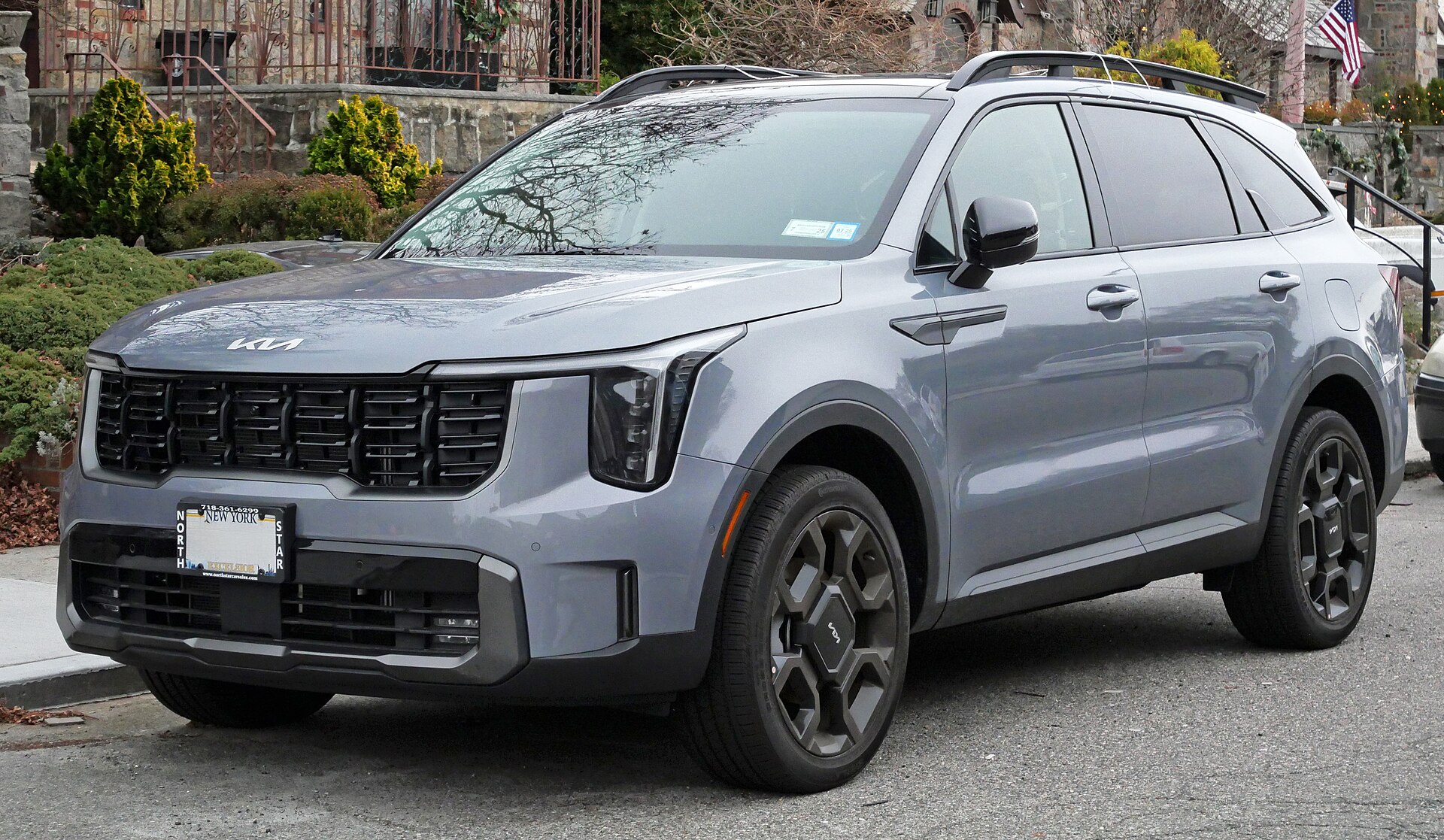
“Seven seats” is only the starting claim
A registration sheet or brochure can list seven seating positions without telling a fleet, dealer or family buyer whether the third row is practical. The real procurement question is how those seats work with adult occupants, child restraints, luggage, payload and climate conditions in the destination.
Before choosing a vehicle, define the intended use: occasional school runs, full-time family travel, hotel transfer, ride-hailing, fleet shuttle or mixed cargo/passenger work. A third row that is acceptable for occasional children may not be suitable for regular adult transport.
Inspect access, headroom and restraint hardware in the exact version
Ask for photographs or a physical inspection of third-row access, seat-folding mechanism, headroom, knee room, belt routing and emergency exit path. Confirm whether head restraints, three-point belts, ISOFIX/i-Size points and top-tether anchorages are fitted in the positions where the buyer plans to carry children.
Euro NCAP’s child-occupant assessment framework illustrates why restraint fit and installation provisions matter, but a Euro NCAP result applies only to the model/version and test scope identified by the assessment. Never transfer child-restraint conclusions from a related model or another seating configuration without evidence.
Payload is more important than the number of seat cushions
Seven occupants add mass before luggage, accessories and dealer-installed equipment are counted. Buyers should verify the certified gross vehicle mass, payload or axle limits for the exact market version and then calculate whether the vehicle can legally and safely carry the intended passenger and luggage load.
Do not infer payload from cabin size. If seven occupants consume most of the available payload, the vehicle may be unsuitable for airport transfers or long-distance family use with luggage even though all seven seats physically exist.
Cargo space must be checked with the third row in use
A brochure may advertise a large maximum cargo volume measured with rear seats folded. That number says little about the amount of luggage that fits when all seats are occupied. Request a cargo measurement or photographs with the third row raised and define the buyer’s real luggage scenario.
For dealers, this is also a sales-fit question. A seven-seat SUV that works well for local family use may not satisfy customers who routinely carry seven people plus airport luggage. Roof-load and towing figures, where relevant, must be taken from the exact certified version rather than a global model summary.
Full-load climate, tyres and braking deserve attention
Hot climates, mountain routes, poor roads and repeated full-load operation change the importance of rear air distribution, tyre load ratings, brake condition, suspension, cooling and underbody clearance. These are not reasons to invent a universal “Africa” or “Middle East” specification. They are reasons to match the vehicle to a documented operating environment.
For PHEV or EV seven-seat models, also verify charging access, battery thermal management and the effect of load and climate on practical range. For petrol models, confirm fuel grade and local service capability.
Safety ratings need a scope statement
If a vehicle has an ANCAP, Euro NCAP, Latin NCAP or other independent rating, record the tested year, powertrain, build dates and seating applicability. A five-star badge is not a transferable property of an entire global model name.
Destination registration and conformity must also be checked separately. WTO conformity-assessment principles explain why testing, certification and inspection are market-specific tools; an overseas crash rating does not by itself prove that a vehicle can be registered in the buyer’s country.
Pre-payment seven-seat gate
Before payment, verify the exact VIN/version, usable third-row access, belt and child-restraint hardware, cargo with all seats up, certified payload/axle limits, tyre ratings, full-load climate suitability, exact safety-rating scope, destination approval, warranty, parts and diagnostic support.
If any of those items cannot be confirmed, keep the claim narrow. A useful seven-seat SUV is not simply a vehicle with seven seat cushions—it is one that can carry the intended people and luggage within its documented limits and still be supported in the destination market.
Record the evidence in the contract file
The purchase file for Importing a Seven-Seat SUV: Are All Seven Seats Really Usable? should name the offered unit, source market, destination, evidence date and responsible supplier. It should then state how the offer resolves “Seven seats” is only the starting claim, Inspect access, headroom and restraint hardware in the exact version, Payload is more important than the number of seat cushions, Cargo space must be checked with the third row in use, Full-load climate, tyres and braking deserve attention. Attach the relevant VIN record, photographs, quotation, approval document and service evidence to the same file. Mark an unresolved item as conditional instead of converting it into a fact. The contract should identify who must correct a mismatch and what happens if the evidence delivered before shipment does not match the vehicle. This record gives the second reviewer a usable audit trail and prevents a family-level webpage from being mistaken for proof of one physical unit.
Frequently asked questions
What must be fixed before requesting a quote? — seven-seat SUV procurement
Fix the destination, importer, exact vehicle version, quantity, operating task, route and evidence date. A quote without those boundaries cannot be compared reliably. Keep original files and written answers so another reviewer can reproduce the conclusion.
Which evidence is not sufficient on its own? — seven-seat SUV procurement
A brochure, seller screenshot, isolated photograph, regional model name or verbal assurance is not enough. Match independent and official evidence to the same vehicle and destination. Use the final authority and delivered version; names used in advertising do not establish compliance.
When should the buyer run a sample? — seven-seat SUV procurement
Run a sample whenever registration, loading, climate, road duty, diagnostics or after-sales support has not already been demonstrated for the exact version and route. Separate confirmed, excluded and unknown costs, and assign every unknown an owner and deadline.
Which findings should stop payment or shipment? — seven-seat SUV procurement
Stop when identifiers conflict, approval scope is uncertain, documents cannot be traced, material costs are omitted or the responsible party refuses a dated written answer. Make the sample follow the same documents, route and operating task intended for the batch.
Sources
- WP.29 - PresentationUnited Nations Economic Commission for Europe · 2026-07-15
- Agreement on Technical Barriers to TradeWorld Trade Organization · 2026-07-15
- FleetSafe: Global NCAP fleet safety guide and safer purchasing policy 2025-2026Global NCAP · 2026-07-15
- Global EV Outlook 2026 - Executive summaryInternational Energy Agency · 2026-07-15
- Logistics Performance Indicators 2.0 - AboutWorld Bank · 2026-07-15
- Used Vehicles ResourcesUnited Nations Environment Programme · 2026-08-26