Use search interest as a lead, not a specification
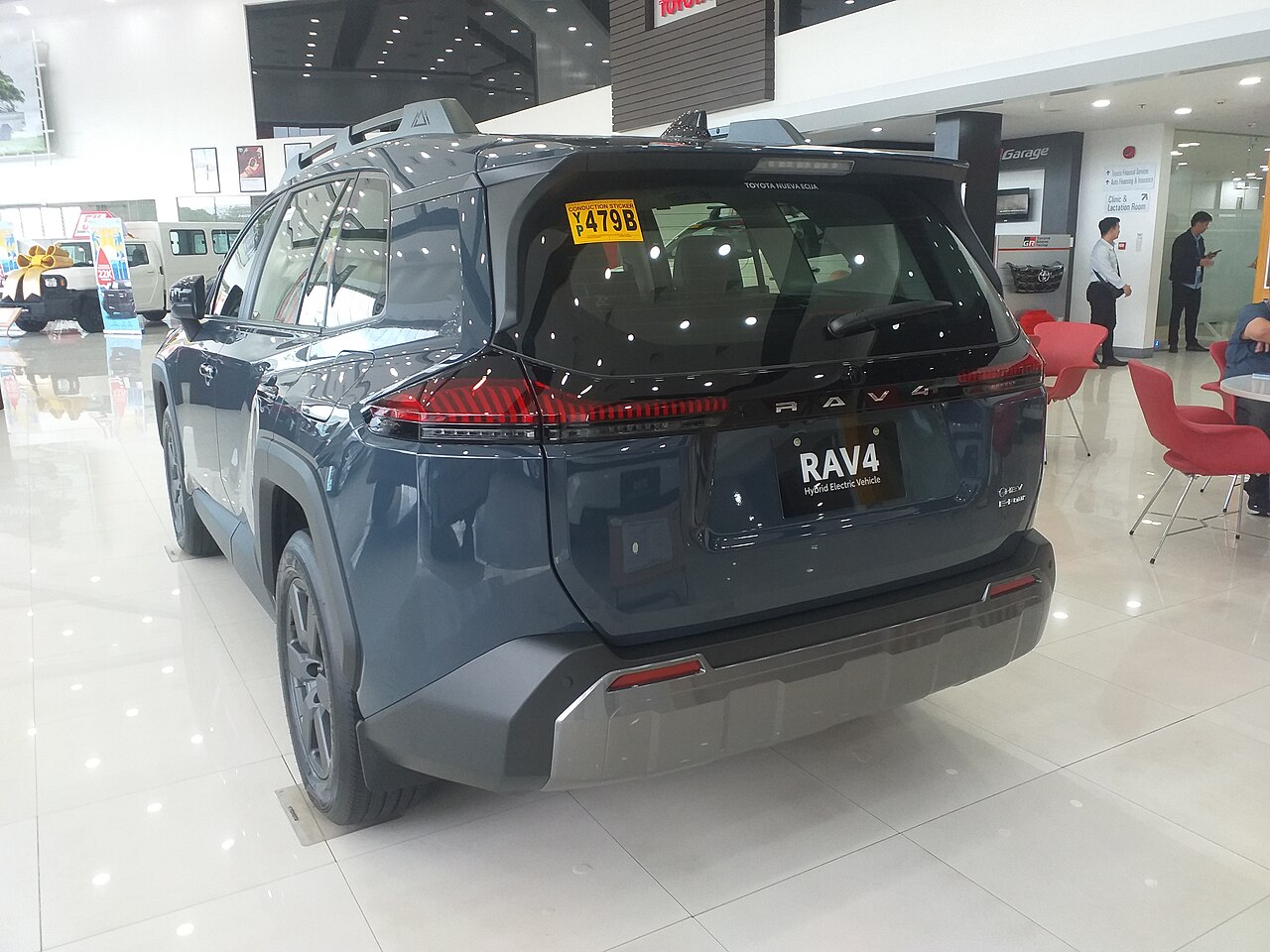
RAV4 attracts substantial international search and resale attention, yet a popular model name is not a technical identity. The 2026 model begins Toyota's sixth generation and is sold through different national grade structures. A seller should provide the complete VIN, model code, build month, original sales market and VIN-linked equipment sheet before any U.S., Canadian or Japanese brochure is applied. The contract should repeat that identity and make disagreement between documents, labels and the physical vehicle a rejection condition. Record the source URL and access date for every claimed specification, and reject listings that reuse fifth-generation photographs for a sixth-generation VIN. A model-year description should be supported by the production label, registration history and original-market documents rather than inferred from the date an advertisement was uploaded. Buyers should also compare the VIN shown on the windshield, body label and export paperwork before paying a deposit. If the seller cannot provide uncropped images of those identifiers, the vehicle should remain a search lead instead of entering the approved quotation list.
Separate HEV and PHEV figures by market
Toyota's U.S. material lists a 2.5-liter hybrid at 226 net combined hp with front-wheel drive or 236 hp with all-wheel drive. The U.S. plug-in hybrid is listed at 324 hp and up to 52 miles of manufacturer-estimated electric range. Canada lists a 236-hp hybrid AWD range, while Japan launched E-Four HEV grades and a PHEV rated at 242 kW with an approximately 150 km internally measured BEV-mode range. These numbers use different markets and test bases; they must never be merged into one invented global trim.
Build a unit-level evidence pack
Before payment, require clear photographs of the VIN plate, door-jamb production and compliance labels, engine bay, instrument warnings, odometer, charging inlet if present, underbody and all exterior panels. Obtain title or registration history, purchase invoice, service records, both keys and a diagnostic scan. For a PHEV, document charging cable, inlet standard, battery state-of-health evidence and fault history. For any version, verify tires, glass, lamps, airbags and driver-assistance sensors against the destination's rules.
Treat safety claims with the correct generation boundary
Toyota lists Toyota Safety Sense 4.0 for the redesigned vehicle and NHTSA selected the 2026 RAV4 Hybrid for testing. Selection is not a completed five-star result. The cited IIHS page concerns the outgoing generation and explicitly applies many results only through model year 2025, so those scores cannot be presented as sixth-generation ratings. Check newly published results for the exact market and configuration, then separately confirm destination homologation, which no consumer crash score can replace.
Confirm service, software and charging support
The RAV4 introduces Toyota's Arene software platform and updated multimedia, but maps, cellular bands, emergency calling, remote applications, subscriptions and update support can depend on the original market. Ask a destination Toyota dealer or qualified workshop whether it can identify the VIN, order hybrid or PHEV parts, perform battery and high-voltage diagnostics, calibrate cameras and radar, and complete recalls. Do not assume a foreign warranty, roadside plan or connected-service trial survives a private export.
Price the complete transaction, not the headline
A launch MSRP or Japanese list price is a dated local reference, not an export offer. Build a signed cost sheet that separates vehicle price, source tax, inspection, inland transport, export documents, terminal handling, freight, insurance, duty, destination tax, port storage, broker fees, homologation, charging equipment, modifications, registration and initial service. State currency, exchange rate, Incoterm, risk transfer and quote expiry. Release payment only after identity, exportable title, inspection, recall status and destination eligibility are documented.
Frequently asked questions
Is every 2026 RAV4 a plug-in hybrid?
No. Official 2026 sources describe both non-plug-in HEV and externally rechargeable PHEV versions. The VIN, charging inlet and market specification must agree.
Can a 2025 RAV4 safety rating be used for the 2026 redesign?
No. The 2026 vehicle starts a new generation. Older IIHS results have stated model-year limits and must not be presented as completed 2026 ratings.
Does 236 hp identify the exact vehicle?
No. That figure appears in official North American AWD hybrid material, but grade, equipment, compliance labels and market still require VIN-level confirmation.
What should be verified before a deposit?
Confirm VIN, model code, build date, original market, title, powertrain, charging hardware, equipment, condition, recall status, destination eligibility and a complete landed-cost quotation.
Sources
- 2026 Toyota RAV4 SpecificationsToyota Motor Sales, U.S.A. · 2026-08-01
- The Next Adventure Begins: 2026 RAV4 Arrives this WinterToyota Motor North America · 2026-08-01
- 2026 RAV4 brochureToyota Motor Sales, U.S.A. · 2026-08-01
- 2026 RAV4 Specifications & ModelsToyota Canada Inc. · 2026-08-01
- Toyota Launches New RAV4 in JapanToyota Motor Corporation · 2026-08-01
- Toyota Launches New RAV4 PHEV in JapanToyota Motor Corporation · 2026-08-01
- MY 2026 vehicles selected for NHTSA 5-Star Safety Ratings testingNational Highway Traffic Safety Administration · 2026-08-01
- Check for RecallsNational Highway Traffic Safety Administration · 2026-08-01
- 2025 Toyota RAV4 ratingsInsurance Institute for Highway Safety · 2026-08-01
- Toyota RAV4 2.5 Woodland HEV Hybrid AWD 2026 (23).jpgWikimedia Commons · 2026-08-01