Global compact-EV sourcing
Sourcing an electric hatchback: turn range, charging and battery condition into evidence
A compact EV can be an efficient city and suburban tool, but neither a low quote nor a long advertised range proves import suitability. Define the destination and duty cycle, identify the exact vehicle, then verify charging, battery, safety, carriage and service evidence before committing volume.
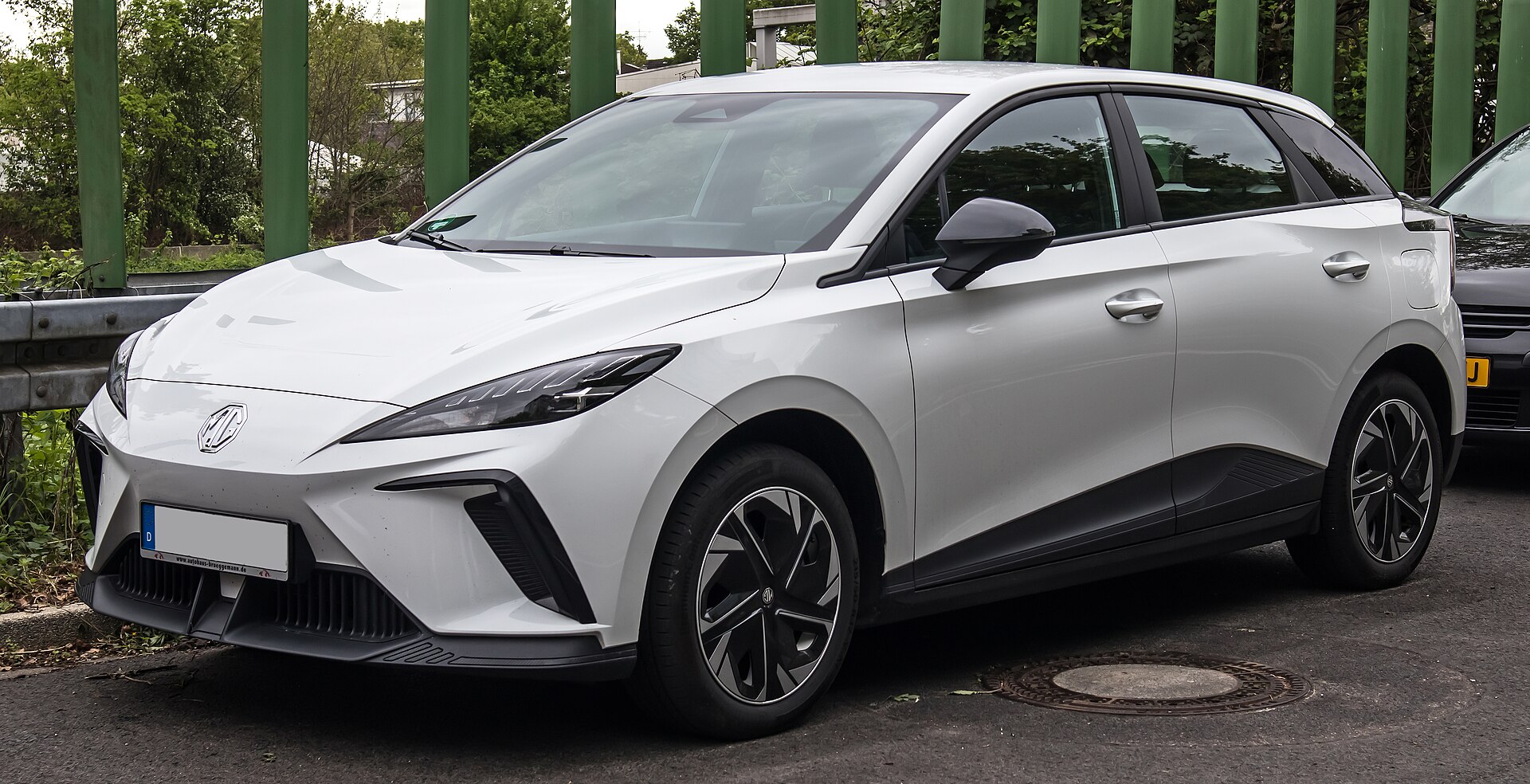
Name the destination and the exact vehicle
Rapid global EV growth does not make one electric hatchback universally registrable. Import eligibility, whole-vehicle approval, steering position, lamps, radio equipment, charging hardware and taxation are destination matters. Before requesting a model list, state the importer of record, final registration country, new or used status, expected arrival date and intended operation. Ask the responsible authority or a qualified local specialist which rules will apply on that date.
One model name can cover a China-domestic car, several export variants and a distributor specification. Require the VIN, build date, configuration code, data-plate photographs, document schedule and installed software languages for every quoted unit. Approval papers must identify the relevant type, variant and production scope. A brochure, a certificate for another market or photographs of a demonstration car do not establish that the units on the invoice are acceptable.
Rebuild usable range from the duty cycle
Read any range figure with its named test cycle, wheel and tyre package, vehicle version and test conditions. Results from different cycles are not directly interchangeable. Map daily distance, the longest uninterrupted leg, speed, elevation, payload, climate-control demand and parking windows. Add a deliberate reserve for temperature, wind, diversions, degradation and an unavailable charger. A hatchback's low mass and small footprint suit many urban tasks, but do not make it a long-distance product by default.
Test a sample vehicle on the hardest recurring route. Record state of charge, energy use, ambient temperature, payload, distance and metered recharge at departure and return. The dashboard estimate is one input, not the result. For used or long-stored cars, repeat the exercise under comparable conditions and watch for abrupt state-of-charge changes, power restriction, warnings and abnormal standing loss. A short, lightly loaded demonstration drive cannot validate a fleet schedule.
Verify the charging chain, not just the inlet
A familiar plug shape does not guarantee a successful charge. Confirm the vehicle's AC and DC inlets, accepted voltage and current, communication protocol, phase capability, supplied cable and the destination's charger approval rules. GB/T, CCS2, CCS1 and CHAdeMO are not made interchangeable by an undocumented adapter. Mechanical fit, control communication, electrical protection and software authorisation all have to work together.
Obtain a written compatibility matrix for the vehicle and target charging equipment. Before shipment, test routine AC charging, a representative DC unit, payment or account initiation, interrupted-session recovery and charge scheduling where required. Depot and residential charging also depend on available electrical capacity, earthing, protection, fire provisions and authorised installation. A pin on a public map shows a possible location; it does not prove access, uptime, connector availability or account eligibility.
Separate battery design approval from present condition
UN Regulation No. 100 and UN GTR No. 20 address electric-powertrain, shock, rechargeable energy-storage and post-crash risks; UN GTR No. 22 provides a framework for in-vehicle battery durability. These instruments help a buyer understand design and approval evidence. They do not state the usable capacity of an individual used vehicle today, and they do not replace its collision, water exposure, storage or repair history.
For an individual battery, request underlying diagnostic data, the test tool and software version, temperature, odometer reading, charge history, fault codes and pack-repair records. A state-of-health percentage without its method is not comparable across brands. Inspect the underbody for impact, cooling leaks, unauthorised opening and high-voltage isolation evidence. The contract should also identify who can open the pack, move a damaged battery and decide a condition or warranty dispute.
Tie every safety result to the delivered specification
A crash-test rating is not a permanent property of a model name. Test year, market, body, mass, airbags, electronic stability control, autonomous emergency braking and sensor fit can change the result. Use the assessment organisation's record to identify the tested vehicle, then compare it line by line with the quotation's configuration code. If the tested and delivered specifications differ, do not carry the star rating across as though nothing changed.
EV-specific checks include post-crash high-voltage isolation, charging-inlet protection, thermal-event warnings and rescue information, but those do not replace occupant and vulnerable-road-user protection. Acceptance inspection should cover belts, child-seat anchors, tyre load and speed ratings, brakes and all tell-tales. Software-dependent safety functions must be active in the destination; a promised remote update or a service locked to another country is not present equipment.
Resolve carriage and insurance before port delivery
The International Maritime Organization has updated fire-safety requirements for vehicle and ro-ro spaces, while individual carriers still set route-, vessel- and condition-specific acceptance rules. Before booking, disclose that the cars are battery electric, their battery type, whether they can move under their own power, any damage or recall status, and the requested state-of-charge window. Confirm acceptance by the carrier, terminals, transshipment port and final port before dispatching cars to origin.
Build landed cost from vehicle price, origin transport, export documents, ocean freight, insurance, destination charges, inspection, tax, storage, rectification, registration, charging equipment, initial parts and financing time. Insurance wording should address loading, unloading, general average, thermal events and battery damage. Before sailing, record VIN, odometer, state of charge, body and underbody condition; repeat the same inspection at arrival so claims rely on evidence rather than recollection.
Let a controlled pilot decide the order size
The first batch should cover the intended routes without turning an untested connector, software limitation or parts shortage into a warehouse problem. During the pilot, record trip energy, charging success, charging duration, faults, tyre wear, downtime and driver feedback. Include air-conditioning, motorway, gradient and working-payload scenarios. Keep results attached to the exact battery, wheel and software version; blended averages across different configurations conceal procurement risk.
Set expansion gates under approval, duty fit, charging, battery, safety, support and total cost, with explicit stop conditions. A certificate that cannot be linked to a VIN, unusable destination fast charging, an undocumented pack repair, no supply path for critical parts or carrier refusal should halt the transaction. The useful conclusion is not that a car is the world's best hatchback. It is that a defined variant has been shown to work in a named market.
Frequently asked questions
Is the electric hatchback with the longest advertised range automatically the best import?
No. Identify the test cycle and exact variant, then model temperature, speed, load, climate control, terrain and battery condition and verify the result on the intended route.
Does a matching connector shape guarantee local fast charging?
No. Voltage, current, communication, vehicle software, charger approval and access method must also match, followed by a practical charge test.
Does a UN R100 approval prove the health of a used battery?
No. It is electric-safety approval evidence, not an individual capacity report. A used car still needs method-defined diagnostics, history and physical inspection.
Can a battery-electric car use the same sea-booking declaration as a combustion car?
Do not assume so. Disclose the powertrain and battery condition and obtain shipment-specific acceptance from the carrier, ports, terminals and insurer.
How should an importer control the first-order risk?
Use a limited pilot to complete registration, charging, route, repair and parts checks, with written expansion gates and stop conditions before committing volume.
Sources
- Global EV Outlook 2026 - Executive summaryInternational Energy Agency · 2026-07-14
- EV, HEV and FCUnited Nations Economic Commission for Europe · 2026-07-14
- Global Technical RegulationsUnited Nations Economic Commission for Europe · 2026-07-14
- Raft of shipping rules in force from 1 January 2026International Maritime Organization · 2026-07-14
- Global NCAPGlobal New Car Assessment Programme · 2026-07-14
- Trends in electric cars - Global EV Outlook 2026International Energy Agency · 2026-08-10