Cross-border vehicle procurement
Pickup Truck Export Procurement: What Must Be Verified Before You Buy?
Buying a pickup truck for export? Verify payload, axle limits, towing, 4x4 hardware, fuel/emissions, body configuration and destination approval before paying.
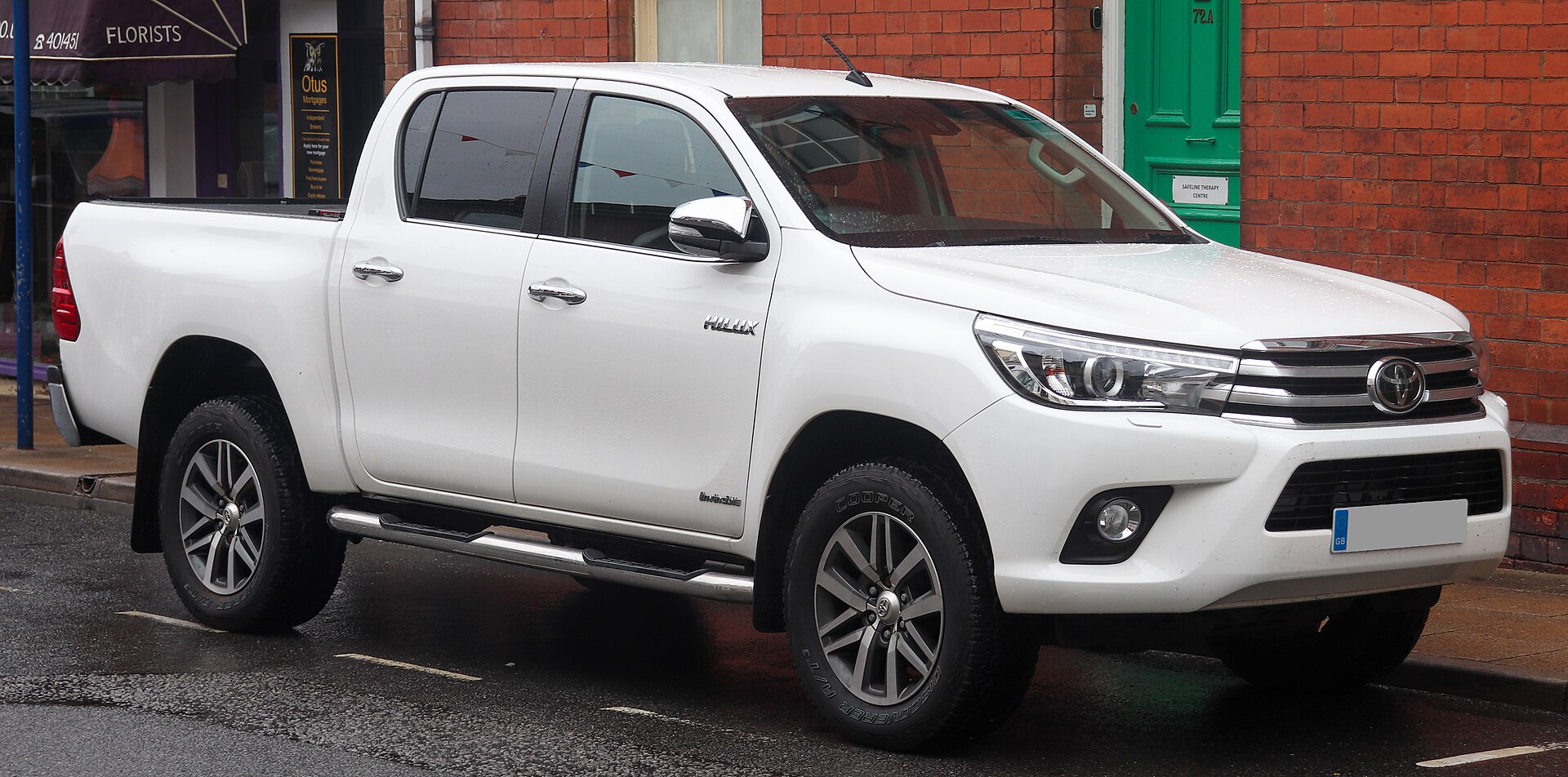
Start with the job, not the badge
A pickup used for city delivery, mining support, farming, fleet service or towing needs different payload, tyres, suspension and driveline. Define passengers, cargo mass, road surface, trailer use, annual distance and service environment before comparing models.
Do not treat “double cab”, “4x4” or a headline towing figure as proof that the quoted unit fits the job. The exact VIN, body, axle ratings, tyre load index and factory options control the real working limit.
Payload is a calculation, not a marketing number
Ask for the certification label or official specification that states gross vehicle mass and axle limits for the offered configuration. Compare those limits with measured or documented kerb mass, passengers, accessories, canopy, tray, recovery gear and cargo.
A bull bar, winch, extra fuel tank, refrigeration body or heavy towbar can consume useful payload. Stop the transaction if the supplier cannot show which certified mass values apply to the VIN.
Towing needs five separate checks
Verify the braked and unbraked trailer limits, gross combination mass where applicable, towbar approval, trailer-ball download limit and the legal trailer rules in the destination. Do not transfer a towing figure from another engine, cab, transmission or market.
Also check cooling, brakes, transmission and tyre requirements for the planned route. A vehicle that can tow a trailer on paper may still be a poor fleet choice in high heat, mountain use or weak service conditions.
4x4 and powertrain labels must match physical hardware
Confirm 2WD/4WD, low range if claimed, locking differential if claimed, transmission, engine or hybrid system, fuel grade and emissions equipment on the actual unit. Photograph the underbody, transfer-case area, differential and relevant labels when the equipment matters to the purchase.
For diesel vehicles, destination fuel quality and emissions-service capability can matter as much as rated output. For electrified pickups, add charging inlet, battery service and rescue documentation.
Approval and shipping are separate from capability
UNECE WP. 29 provides an international regulatory framework, while each destination can still require its own technical regulations and conformity-assessment procedures. Exportability from China does not by itself prove registration eligibility at destination.
For containerized transport, the IMO/ILO/UNECE CTU Code is relevant to safe packing and securing. The shipping plan must also account for vehicle dimensions, mass, accessories and carrier restrictions.
A buyer-ready pickup file
Before paying, lock the VIN, cab/body style, engine or electrified system, transmission, drive layout, GVM, axle limits, payload calculation, towing limits, tyre specification, destination approval path, service parts and the full landed-cost scope.
If any working-limit figure belongs to another variant or cannot be tied to the offered unit, keep it unverified instead of filling the gap with a brochure maximum.
Build a VIN-specific evidence pack before payment
For a commercial pickup, the final purchasing file should be built around the exact vehicle rather than around a catalogue page. Start with the VIN and keep every specification, photo and contract term attached to that identity. The file should state the cab and body style, production date, engine or electrified system, transmission, drive layout, certified gross vehicle mass and axle limits, documented kerb mass, tyre size and load index, accessories already installed and the resulting payload calculation. Where towing matters, add braked and unbraked trailer limits, gross combination mass if the manufacturer publishes one for that configuration, towbar approval and permitted ball download. A headline “3. 5-tonne towing” claim is not usable evidence if it came from another market or engine.
The same file should also record fuel grade or charging requirements, emissions hardware, destination compliance owner, service/diagnostic contact, critical spare parts, vehicle dimensions and the intended shipping method. The quotation should identify what is included before the vehicle is compared with another supplier: vehicle price, inland transport, export handling, port or terminal charges, ocean freight and insurance where relevant. This prevents a low vehicle price from hiding a weak working specification or incomplete logistics scope. For fleet orders, repeat the evidence process for every VIN when configurations or accessories can differ; one representative unit should not be used to prove the working limits of the entire batch.
Stop conditions: when a pickup quote is not ready
Do not release a non-refundable payment when the seller can only provide a brochure maximum but cannot tie that number to the offered pickup. Stop if payload or towing data belongs to a different cab, engine, transmission, drive system or market; if a tray, canopy, winch, tank, refrigeration body or other conversion has been added without a new mass calculation; or if the tyre load rating is inconsistent with the proposed work. A claimed 4x4 system should be supported by the actual vehicle specification and, when important, photographs of the relevant driveline hardware.
Also stop when destination eligibility is being assumed rather than documented. China-side export paperwork does not replace the destination country’s technical, emissions, registration or commercial-use rules. If the buyer’s business depends on towing, heavy payload, mine-site work or remote operation, unresolved service capability is a commercial risk, not a small after-sales detail. The purchase is ready only when the working limits, legal pathway and support plan all describe the same VIN and the remaining uncertainties are written down rather than silently filled with optimistic assumptions.
Frequently asked questions
What must be fixed before requesting a quote? — pickup truck export procurement
Fix the destination, importer, exact vehicle version, quantity, operating task, route and evidence date. A quote without those boundaries cannot be compared reliably. Keep original files and written answers so another reviewer can reproduce the conclusion.
Which evidence is not sufficient on its own? — pickup truck export procurement
A brochure, seller screenshot, isolated photograph, regional model name or verbal assurance is not enough. Match independent and official evidence to the same vehicle and destination. Use the final authority and delivered version; names used in advertising do not establish compliance.
When should the buyer run a sample? — pickup truck export procurement
Run a sample whenever registration, loading, climate, road duty, diagnostics or after-sales support has not already been demonstrated for the exact version and route. Separate confirmed, excluded and unknown costs, and assign every unknown an owner and deadline.
Which findings should stop payment or shipment? — pickup truck export procurement
Stop when identifiers conflict, approval scope is uncertain, documents cannot be traced, material costs are omitted or the responsible party refuses a dated written answer. Make the sample follow the same documents, route and operating task intended for the batch.
Sources
- WP.29 - PresentationUnited Nations Economic Commission for Europe · 2026-07-16
- Conformity assessment proceduresWorld Trade Organization · 2026-07-16
- Logistics Performance Indicators 2.0World Bank · 2026-07-16
- Regional authority sourceWorld Trade Organization · 2026-07-16
- FleetSafe: Global NCAP fleet safety guide and safer purchasing policyGlobal NCAP · 2026-08-26
- Used Vehicles ResourcesUnited Nations Environment Programme · 2026-08-26
- Agreement on Technical Barriers to TradeWorld Trade Organization · 2026-08-26