Latin America vehicle quote audit
Vehicle price verification for the Latin American destination: evidence, landed cost and stop rules
Latin America is not one import territory. A sound comparison tracks where delivery occurs, which costs are paid, whether the vehicle may enter and whether the same VIN file will support first registration. Price verification compares one exact vehicle and final handover scope before any supplier ranking.
Replace the region with a country, port and registration city
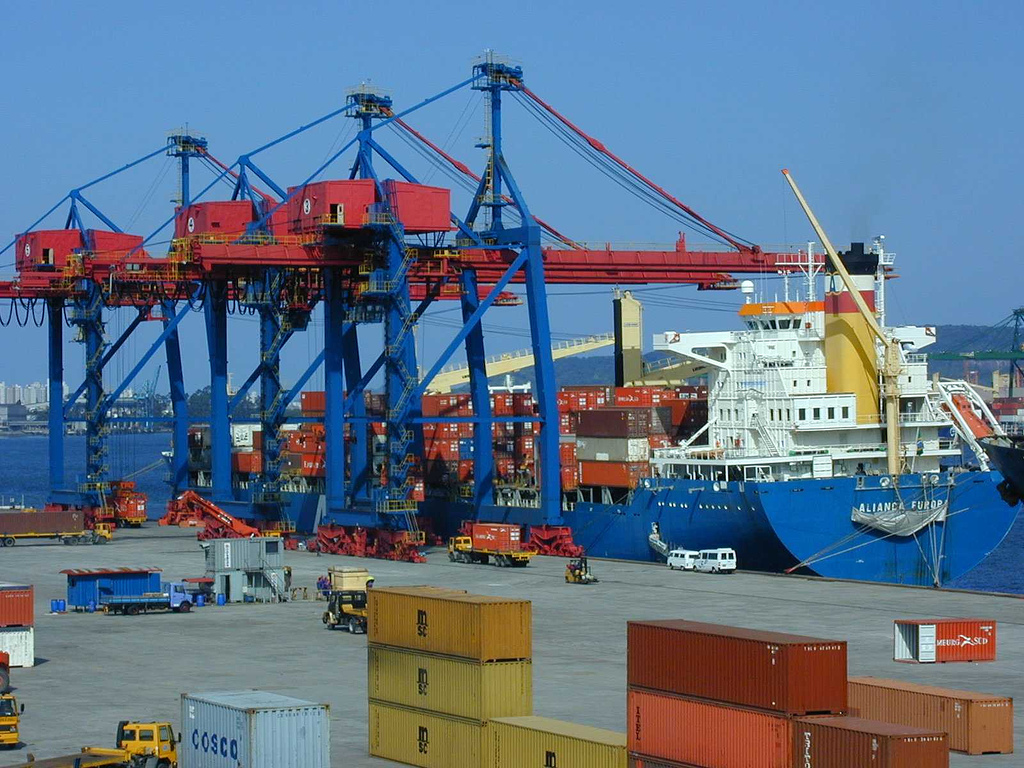
Put the destination country, discharge terminal, importer of record, expected declaration date, final registration city and handover point on page one. Pacific, Caribbean and Atlantic gateways can involve different sailings and transshipment, so “CIF Latin America” is not an executable destination. It also says nothing about port-to-city transport or the local invoices that arise after discharge.
Freeze model year, exact variant, powertrain, condition, quantity and VINs, then verify used-goods policy, safety or emissions evidence, licensing, importer qualification and first-registration file. Peru SUNAT, Brazil's Receita Federal, Colombia's VUCE and Chile's registration service illustrate separate national stages. None is a regional template and no freight saving cures an ineligible specification.
Draw the China and ocean boundary with a precise rule
FOB should identify the Chinese shipment port and itemise factory collection, inland haulage, inspection, export declaration, terminal and on-board loading. Risk normally transfers on board the buyer-nominated vessel. CIF should identify a precise destination port: the seller pays main freight and arranges insurance, yet risk still transfers on board in China rather than after the vehicle arrives in Latin America.
When a container is handed to a terminal before ship loading, assess whether FCA matches delivery better; for seller-arranged insured multimodal carriage, assess CIP. Add “Incoterms 2020” and the exact point to the rule. The quote appendix should state RoRo or container, direct or transshipped service, booking validity, estimated sailing and arrival windows, and the carrier terms behind any free-time promise.
Build the destination ledger in the local commercial language
Start with vehicle net price, then add China and origin terminal, ocean and insurance, destination unloading and carrier documents, terminal and examination, broker and licence, duty and import taxes, inland delivery, conformity modification and first registration. Give every line its original currency, tax treatment, billing unit, payee, validity and evidence. Spanish or Portuguese descriptions should reconcile with the local supplier's invoice rather than rely on a loose English label.
Obtain a schedule from a named destination agent separating carrier documentation, terminal services, government charges, inspection and the broker's own fee. For storage, container detention, port delay or missed appointment costs, record free days and the event that starts charging. Resolve exclusions before bill-of-lading issue; a generic “destination fees for buyer” note leaves no usable budget or control.
Separate the CIF sale amount from customs value and tax
The World Customs Organization explains that invoice price is not automatically customs value and national law determines freight treatment. Brazil's import manual treats declaration, licensing and valuation as domestic procedures; Colombia's VUCE administers import registrations, licences and prior authorizations. Three CIF letters do not complete those processes, and an FOB invoice does not automatically create a lower tax base.
Have the importer build a sheet using proposed tariff classification, new or used condition, origin, buyer-seller relationship, freight, insurance, assists and declaration exchange rate. Preserve separable vehicle, carriage, premium and payment evidence. Related-party sales, exceptional discounts, demonstration units or non-cash contributions should be reviewed by qualified destination customs and tax advisers before the order becomes non-refundable.
Treat origin evidence as a claim to prove, not a coupon
Shipment from China does not itself satisfy preferential origin, and a non-preferential certificate of origin does not create a reduced rate. Confirm that an applicable arrangement exists, the vehicle tariff line is covered, the product-specific rule is met, the issuing or self-certifying party is eligible, and the required proof can be presented in the destination format and time limit.
Model a no-preference baseline and a second scenario only after a destination specialist confirms potential eligibility. If a supplier markets the quote using a preferential rate, the contract should identify the agreement, rule, evidence and consequence if proof is unavailable. Customs retains the decision, so the buyer should not fund the purchase on an unsupported duty saving.
Make payment, transport and first registration share one data set
Commercial invoice, VIN packing list, China export support, origin records, inspection or conformity evidence, draft bill of lading and insurance certificate should use identical make, model, year, VIN, quantity, value, ports and parties. Where Spanish or Portuguese translation, authentication or electronic licensing is required, have the importer validate the format before shipment rather than repairing conflicting data after arrival.
Price both options to the same registration city, adding port, tax, valuation sensitivity, inland movement, modification, registration, foreign exchange and delay. A buyer with a regional forwarder and cargo policy may prefer FOB or FCA; a seller with transparent booking and usable insurance may make CIF simpler. Neither choice grants import permission, tariff preference, homologation or a road title without separate accepted evidence.
Regional price-verification decision
For the Latin American destination, reconcile the VIN-specific vehicle with national homologation, customs valuation, exchange controls, inland delivery and parts support. Label every amount confirmed, estimated or open, and give each unresolved line a responsible organization and expiry date before ranking suppliers.
Suspend the Latin American destination comparison when the exact variant lacks local homologation evidence or the importer cannot reconcile tax, currency and inland delivery to the registration city. Resume only after the supplier, carrier and destination specialist each confirm their own scope in writing and the revised total reaches the same final handover point.
Frequently asked questions
Does CIF to a Latin American port include import duty and tax?
Do not infer that it does. Import clearance and taxes are normally separate destination obligations unless the contract and local law expressly allocate them.
Does a Chinese certificate of origin guarantee a preferential rate?
No. An applicable agreement, satisfied product rule and acceptable destination proof are all required.
Can Brazil's import process be applied in Spanish-speaking markets?
No. Brazil, Colombia, Peru, Chile and other markets maintain distinct declaration, licensing, valuation and registration systems.
Why put the registration city in a shipping quote?
Port release is not road registration. The final market determines local conformity, translation, tax and first-registration evidence.
Which local evidence matters most?
A destination importer's valuation and tax sheet, a named port-agent disbursement schedule and written confirmation of vehicle eligibility and licensing path.
What makes a regional vehicle price comparable?
The VIN, specification, delivery point, currency, included charges and destination responsibilities must match; open items need owners and deadlines.
Sources
- Incoterms 2020 Checklist and FlowchartsInternational Chamber of Commerce · 2026-07-16
- Frequently Asked Questions on Customs ValuationWorld Customs Organization · 2026-07-16
- Manual Aduaneiro de ImportaçãoReceita Federal do Brasil · 2026-07-16
- Trámites y Servicios de la VUCEVentanilla Única de Comercio Exterior de Colombia · 2026-07-16
- Importación de VehículosSuperintendencia Nacional de Aduanas y de Administración Tributaria del Perú · 2026-07-16
- Primera Inscripción de Vehículos MotorizadosChileAtiende · 2026-07-16