Cross-border vehicle procurement
RoRo or Container Shipping: Which Is Better for an Imported Vehicle?
RoRo or container for vehicle shipping? Compare vehicle condition, port access, cargo type, handling, VGM, documentation, damage exposure and total landed risk before booking.
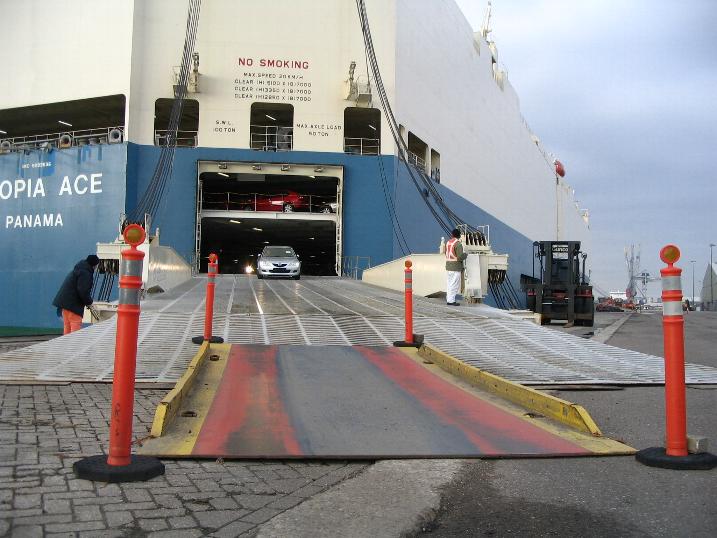
The shipping method should follow the cargo, not a slogan
RoRo and container shipping solve different problems. RoRo is designed to move rolling cargo through specialised terminals and vessels. A container can isolate a vehicle inside a freight unit and may allow additional compliant cargo, but it adds packing, securing, container-handling and verified-weight requirements.
The correct decision therefore starts with the exact vehicle, port pair, route, condition and accompanying cargo. “RoRo is cheaper” or “container is safer” is not a universal rule. A quote that ignores terminal charges, inland handling, packing, securing and destination costs can make the apparently cheaper method more expensive after arrival.
RoRo is strongest when the vehicle can move through the terminal normally
Automotive RoRo carriers such as Höegh describe dedicated handling for cars and other rolling equipment. For a roadworthy vehicle with reliable port access at both ends, RoRo can reduce the need for container packing and unpacking. It can also be operationally efficient for dealers moving multiple vehicles on established automotive routes.
But buyers should verify the carrier and terminal rules for fuel level, battery state, alarms, keys, personal items, non-running vehicles, dimensions and modifications. A vehicle that cannot be driven or safely steered may require special handling or may not be accepted on a normal RoRo booking.
Container shipping adds control but also additional obligations
A container can reduce direct public access to the vehicle after packing and may be preferable when the route, cargo mix or destination logistics favour container services. The trade-off is that the vehicle must be packed and secured correctly, and the container itself enters the international container-safety framework.
The IMO/ILO/UNECE CTU Code provides practical guidance for packing cargo transport units, including securing cargo so that transport forces do not create unsafe movement. The SOLAS verified gross mass requirement also means the shipper must provide a verified container mass before loading. These are operational responsibilities, not small paperwork details.
Damage risk depends on the whole handling chain
RoRo exposes the vehicle to repeated driving, terminal staging and vessel access; container transport exposes it to loading, securing, lifting, terminal transfer and unpacking. Neither chain is automatically damage-free.
Before handover, create a dated condition record with VIN, odometer and clear exterior/interior photographs. Record loose accessories and removable items. For container transport, keep evidence of lashing and blocking before the doors are sealed. For RoRo, follow carrier rules on belongings and make sure keys and operational instructions are controlled.
Port and schedule risk can decide the answer
The best method on one trade lane may be unavailable or slow on another. RoRo depends on compatible automotive terminals and vessel calls; containers may have broader network reach but can involve transshipment and container availability. World Bank logistics data underline how port, border and supply-chain reliability vary by route and economy.
Ask for the actual origin terminal, destination terminal, sailing or transshipment plan, cutoff, free-time assumptions and responsibility for storage or demurrage. A nominal ocean-freight figure without these items is not a complete landed-logistics comparison.
Use a decision matrix before booking
Choose RoRo when the vehicle is suitable for rolling handling, both ports support the service, cargo rules are acceptable and the total route is efficient. Choose container when enclosure, route reach, compliant accompanying cargo or destination handling justifies the extra packing and container controls.
Compare both methods on the same basis: inland pickup, terminal fees, ocean freight, packing/lashing, documentation, VGM where applicable, insurance, destination charges, storage risk and final delivery. The better method is the one with the lower evidence-adjusted logistics risk—not the one with the lowest single freight line.
Record the evidence in the contract file
The purchase file for RoRo or Container Shipping: Which Is Better for an Imported Vehicle? should name the offered unit, source market, destination, evidence date and responsible supplier. It should then state how the offer resolves The shipping method should follow the cargo, not a slogan, RoRo is strongest when the vehicle can move through the terminal normally, Container shipping adds control but also additional obligations, Damage risk depends on the whole handling chain, Port and schedule risk can decide the answer. Attach the relevant VIN record, photographs, quotation, approval document and service evidence to the same file. Mark an unresolved item as conditional instead of converting it into a fact. The contract should identify who must correct a mismatch and what happens if the evidence delivered before shipment does not match the vehicle. This record gives the second reviewer a usable audit trail and prevents a family-level webpage from being mistaken for proof of one physical unit.
Frequently asked questions
What must be fixed before requesting a quote? — RoRo versus container vehicle shipping
Fix the destination, importer, exact vehicle version, quantity, operating task, route and evidence date. A quote without those boundaries cannot be compared reliably. Keep original files and written answers so another reviewer can reproduce the conclusion.
Which evidence is not sufficient on its own? — RoRo versus container vehicle shipping
A brochure, seller screenshot, isolated photograph, regional model name or verbal assurance is not enough. Match independent and official evidence to the same vehicle and destination. Use the final authority and delivered version; names used in advertising do not establish compliance.
When should the buyer run a sample? — RoRo versus container vehicle shipping
Run a sample whenever registration, loading, climate, road duty, diagnostics or after-sales support has not already been demonstrated for the exact version and route. Separate confirmed, excluded and unknown costs, and assign every unknown an owner and deadline.
Which findings should stop payment or shipment? — RoRo versus container vehicle shipping
Stop when identifiers conflict, approval scope is uncertain, documents cannot be traced, material costs are omitted or the responsible party refuses a dated written answer. Make the sample follow the same documents, route and operating task intended for the batch.
Sources
- Verification of the gross mass of a packed containerInternational Maritime Organization · 2026-07-16
- Safe transport of containersInternational Maritime Organization · 2026-07-16
- UN Vehicle RegulationsUnited Nations Economic Commission for Europe · 2026-07-16
- Review of Maritime TransportUnited Nations Conference on Trade and Development · 2026-07-16
- Cargo Securing and PackingInternational Maritime Organization · 2026-08-26
- Incoterms 2020 Checklist and FlowchartsInternational Chamber of Commerce · 2026-08-26
- Customs valuationWorld Trade Organization · 2026-08-26
- Logistics Performance Indicators 2.0World Bank · 2026-08-26