global markets spare-parts planning
How Should an Importer Plan Spare Parts for Chinese Vehicles?
Importing Chinese vehicles? Build a VIN-controlled spare-parts and service plan covering fast-moving items, immobilising parts, collision parts, diagnostics, recalls and replenishment before ordering.
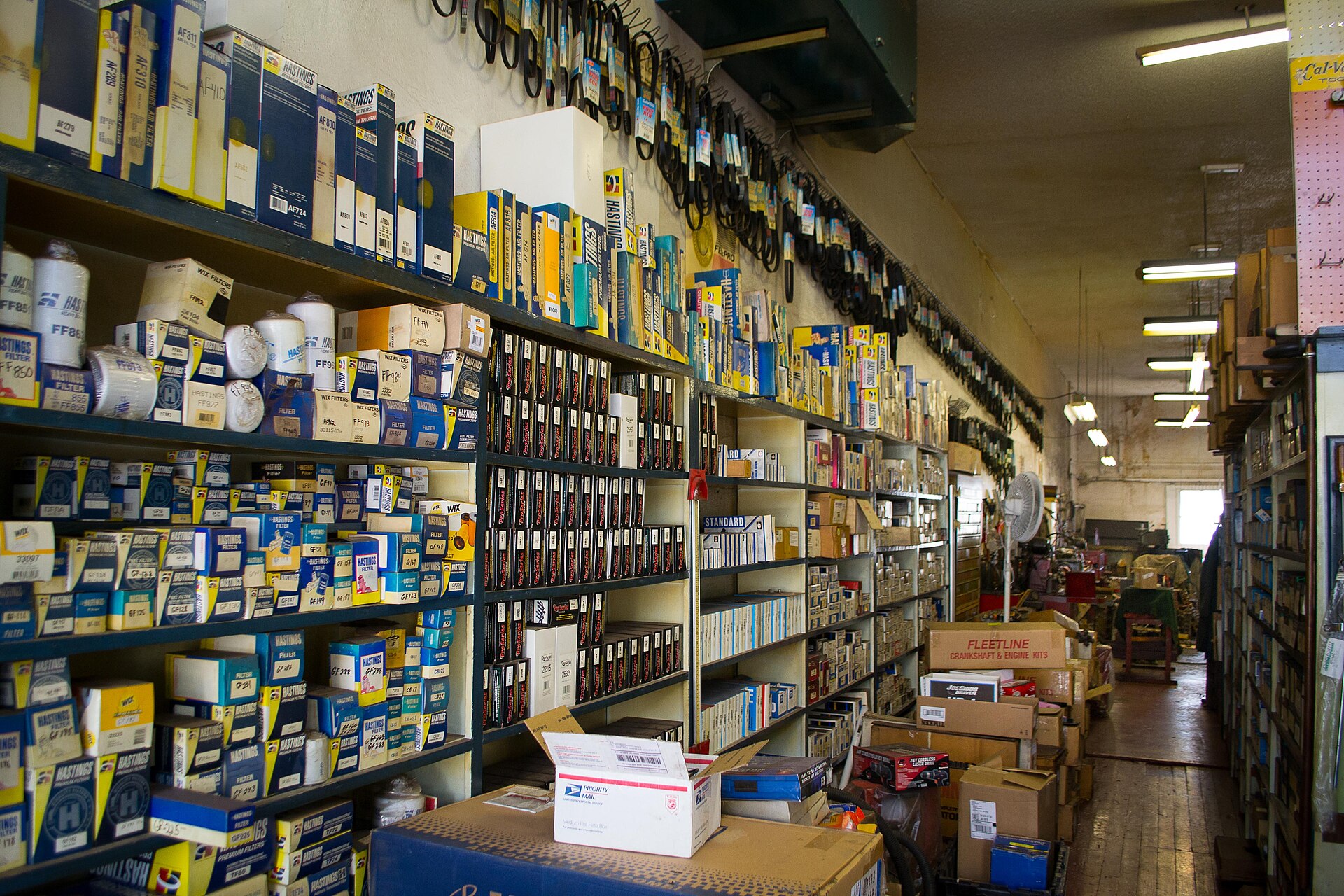
A low vehicle price can be erased by one unavailable part
For a dealer or fleet operator, spare-parts planning starts before the vehicle is ordered. A car that cannot return to service because a sensor, lamp, glass panel, suspension component, key module or high-voltage part is unavailable can create more commercial damage than a modest difference in purchase price.
The goal is not to buy a warehouse full of parts. It is to identify which failures stop the vehicle, which items wear predictably, which parts are vulnerable in transport or collision, and how quickly the correct VIN-matched replacement can reach the destination.
Build the parts list from the exact VIN and market version
Do not use a generic model name as the parts catalogue. Chinese brands often sell the same model family with different engines, batteries, ADAS hardware, lamps, infotainment, brakes or body trim across markets and production dates. A part that looks identical in a photo may carry a different number or software requirement.
Before the first shipment, obtain the VIN structure, electronic parts catalogue access or supplier cross-reference, production date and exact market version. Require the exporter to quote parts by OE number or a verified supersession, not by informal descriptions such as “front sensor for model X. ”
Separate stock into service, downtime and collision groups
Fast-moving service items can include filters, brake wear components, wiper parts and selected fluids where applicable. Downtime-critical stock may include sensors, wheel-speed components, charging or high-voltage support items, electronic modules, keys and parts that can immobilise the vehicle. Collision planning should consider lamps, glass, mirrors, bumpers, cameras, radar covers and body panels according to local repair patterns.
The mix changes by powertrain. EVs and PHEVs add high-voltage components, charging hardware, battery cooling and specialised diagnostic procedures; petrol vehicles have a different maintenance profile. Do not copy one universal starter kit across every model.
Parts access is also a software and information problem
Modern vehicle repair often requires service information, diagnostic software, calibration procedures, security access, key programming or ADAS calibration after replacement. In regulated markets such as the EU, vehicle type-approval rules include provisions on access to repair and maintenance information. The practical requirement for an importer is to confirm what information and tools the local workshop can actually obtain for the exact vehicle.
Before buying a fleet, test a real diagnostic path: identify the workshop, scan tool, subscription or account requirement, calibration equipment and escalation contact. A physical replacement part has limited value if the vehicle cannot accept or calibrate it.
Use recalls and warranty to define responsibility, not to replace stock planning
VIN-specific recall checking can reveal campaigns that affect parts or service work. NHTSA provides a recall lookup for vehicles within its U. S. scope; other destinations and manufacturers use their own systems. A recall database should be treated within its jurisdiction, not as a worldwide answer.
Also define which party pays when the wrong part is supplied, when a warranty claim is rejected, or when a recalled component needs replacement overseas. Manufacturer warranty, exporter warranty and local service commitments are different obligations and should be documented separately.
Plan replenishment and transport before stock runs out
A sensible stock plan includes reorder points, expected lead time, minimum order quantities, consolidation options and rules for urgent air freight versus normal sea or parcel supply. Some automotive parts, batteries, fluids or pressurised items can be subject to dangerous-goods or carrier restrictions, so the logistics method must be checked before an emergency occurs.
The IMO CTU Code is relevant when cargo is packed into transport units: parts and other cargo must be secured appropriately for transport. The parts plan should therefore connect inventory decisions with safe packing, documentation and destination customs handling.
Pre-payment spare-parts gate
Before approving the vehicle order, confirm the first 6–12 months of service items, a downtime-critical list, collision-part availability, VIN/OE-number matching, diagnostic access, calibration needs, warranty/recall responsibilities, replenishment lead times and the supplier’s process for wrong or obsolete parts.
If the seller cannot demonstrate a workable parts pathway, treat after-sales readiness as unresolved. The objective is not to promise that every part will always be in stock. It is to know how the vehicle will return to service when a predictable failure or repair need occurs.
Record the evidence in the contract file
The purchase file for How Should an Importer Plan Spare Parts for Chinese Vehicles? should name the offered unit, source market, destination, evidence date and responsible supplier. It should then state how the offer resolves A low vehicle price can be erased by one unavailable part, Build the parts list from the exact VIN and market version, Separate stock into service, downtime and collision groups, Parts access is also a software and information problem, Use recalls and warranty to define responsibility, not to replace stock planning. Attach the relevant VIN record, photographs, quotation, approval document and service evidence to the same file. Mark an unresolved item as conditional instead of converting it into a fact. The contract should identify who must correct a mismatch and what happens if the evidence delivered before shipment does not match the vehicle. This record gives the second reviewer a usable audit trail and prevents a family-level webpage from being mistaken for proof of one physical unit.
Frequently asked questions
Is a matching-looking part safe to order?
No. Match the VIN, variant, production range, approval evidence and software or calibration requirement; a photograph or generic part number is not enough.
Can a port or regional warehouse release the part for the final country?
Not automatically. Import, transit, tariff, dangerous-goods and fitting rules belong to the relevant destination and route.
What belongs in the first parts order?
Prioritize safety, immobilizing and high-failure items identified from the exact fleet, then document alternatives, shelf life, packaging, lead time and warranty return route.
Who should own a recall or failed replacement?
Name the importer or market representative, manufacturer contact, workshop and records owner in the contract; a seller promise without a local process is not a service plan.
Sources
- UN GTR No. 22: In-vehicle Battery Durability for Electrified Light Duty VehiclesUnited Nations Economic Commission for Europe · 2026-07-13
- Regulation No. 100 Rev.3United Nations Economic Commission for Europe · 2026-07-13
- Electric vehicle batteries – Global EV Outlook 2025International Energy Agency · 2026-07-13
- Battery LifespanNational Renewable Energy Laboratory · 2026-07-13
- Maintenance and Safety of Electric VehiclesU.S. Department of Energy Alternative Fuels Data Center · 2026-07-13
- UN Model Regulations Rev. 22United Nations Economic Commission for Europe · 2026-07-13