Sourcing guide · Latin America buyers ·
Prove the Exact Vehicle Before Import to Latin America
For VIN and vehicle photo verification in Latin America, the buying decision starts with one concrete transaction. The practical aim is to prove that the listing, photographs, labels and documents describe the same physical unit. Name the country, port, quote currency and broker/clearing path; a latin america label cannot replace country-specific evidence. Keep source evidence, destination confirmation and live commercial data in separate layers so a buyer can see which conclusions are proved and which still depend on the actual deal.
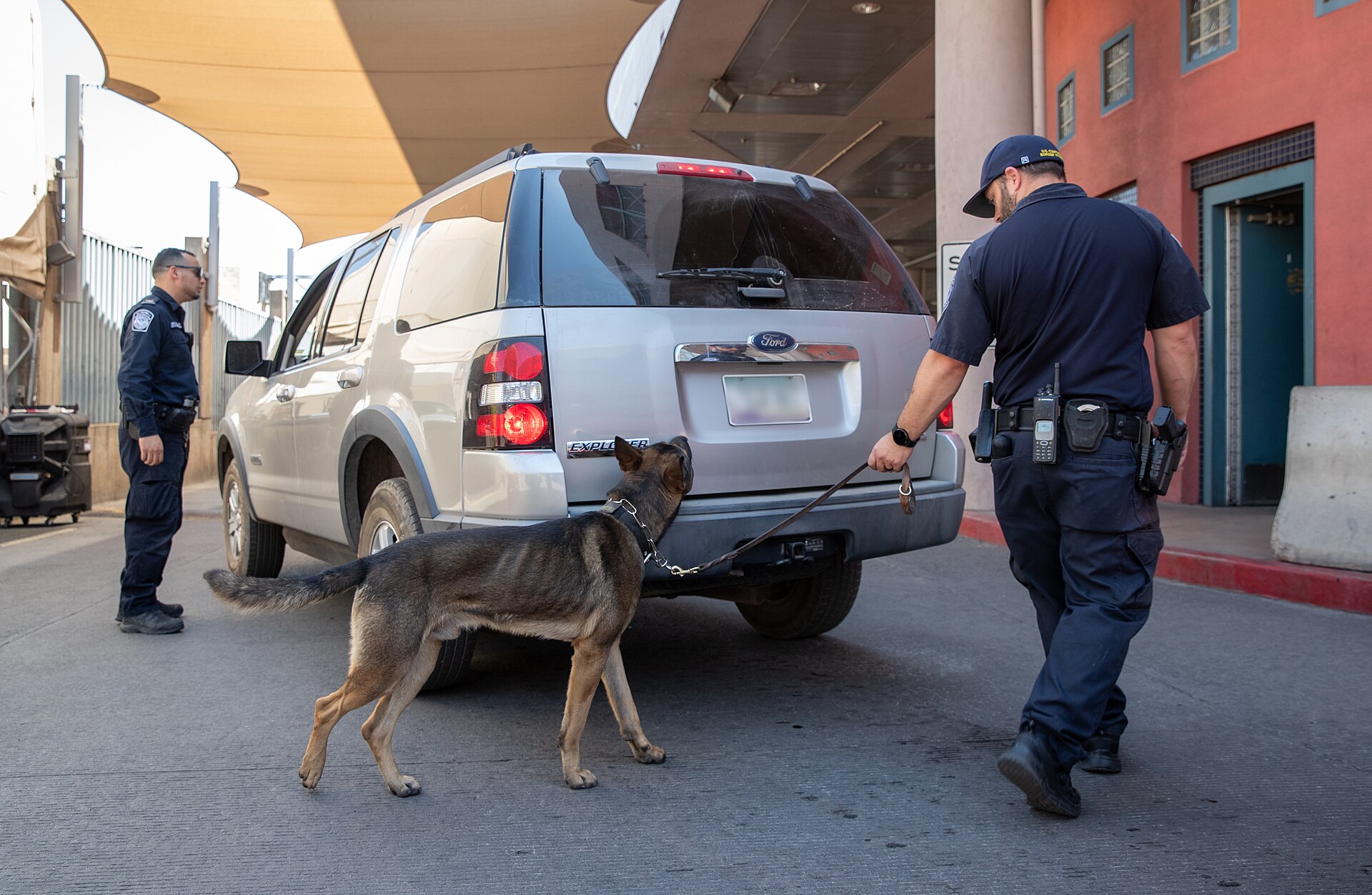
Ask for repeatable angles, not more glamour shots — port, broker and currency handoff
For this topic, the buyer's real job is to prove that the listing, photographs, labels and documents describe the same physical unit. The evidence set should cover VIN/chassis identity, seller reference, source market, derivative, fixed-angle exterior/interior photos, data plates, odometer, damage/condition views and vehicle documents. Put each field into one of three states: confirmed, conditional or missing. That makes uncertainty visible before price or convenience starts to dominate the decision, and it gives the seller a precise request instead of an open-ended demand for 'more documents. '
Vin/photo: build the port, broker and currency decision file
Before the final commercial comparison, create a 'what could reverse the decision? ' note for this VIN and vehicle photo verification transaction. Use VIN and derivative wording, dates, odometer, colour, visible equipment, labels, condition evidence and document identity as the comparison backbone and then apply the Latin America operating questions: port choice, currency basis, customs/clearing handoff, inland distance, energy/fuel fit, parts and workshop access. Identify which unknowns would merely change convenience and which could change legality, use, landed cost or support. Only the second group belongs in the payment stop list. Keep the first group visible but do not let it force artificial completeness. This materiality test keeps the method useful across countries while ensuring the actual destination receives the deeper verification it needs.
For this Latin America VIN and vehicle photo verification file, write a final one-sentence release rationale and keep it beside the dated quotation. The rationale must refer to the actual transaction, not a regional average, and should name any remaining conditional item explicitly.
Build one identity sheet before requesting photos — port, broker and currency handoff
Use the Latin America decision record to structure due diligence, not to create a regional specification. The first line of the VIN and vehicle photo verification file should identify the exact transaction and destination. Name the country, port, quote currency and broker/clearing path; a latin america label cannot replace country-specific evidence. This small discipline keeps source-market facts, national requirements and live commercial terms from being blended into one unsupported statement.
Reconcile VIN, plates, odometer and documents — port, broker and currency handoff
For VIN and vehicle photo verification, keep the proof narrow: repeatable VIN-linked photographs, legible plates/labels and documents whose identity fields reconcile to the same unit. The objective is traceability. A second reviewer should be able to see why each decision-changing statement was accepted and where its scope ends. If the reviewer has to infer that two markets, vehicles or routes are equivalent, the evidence chain is not complete.
Use photos for what they can actually prove — port, broker and currency handoff
Do not ask which offer is cheaper until both describe the same decision boundary. For this comparison, normalize VIN and derivative wording, dates, odometer, colour, visible equipment, labels, condition evidence and document identity. If the files cannot be made comparable, state that clearly and compare them as different risk packages rather than pretending a simple price ranking is meaningful.
Run a different-vehicle substitution test — port, broker and currency handoff
The cold-review question is not whether the offer looks professional. It is whether the file can survive this scenario: a seller supplies many attractive photos, but the VIN or data plate is unreadable and the documents cannot be tied confidently to the pictured vehicle. Ask a second reviewer to trace the answer to evidence. Any decision-changing assumption that remains invisible becomes a stop item or a written commercial risk.
Make condition evidence time-stamped — port, broker and currency handoff
Apply this method to the real Latin America operating chain: port choice, currency basis, customs/clearing handoff, inland distance, energy/fuel fit, parts and workshop access. The next step is to reconstruct who owns the transaction after arrival, from port release through inland delivery and local support. A country or port-specific answer stays local. The verification framework contributes the sequence of questions, while the destination party contributes the current answer and evidence.
Keep the photo set linked to the quote — port, broker and currency handoff
Keep the evergreen method separate from facts that expire. For this Latin America transaction, date current currency, route, port, local charge, registration and support information rather than freezing regional averages. Price, freight, stock, local approval, tax, route availability, current service access and warranty eligibility should carry dates and responsible sources. The permanent guide explains how to check them; it should not freeze a temporary answer into a regional fact.
Do not pay through an unresolved identity gap — port, broker and currency handoff
The final question is whether another person could make the same decision from the file. If the VIN, photos, plates or documents cannot be reconciled without assuming the discrepancy is harmless, the answer is no and funds should remain on hold. Close the issue with the responsible source or document the accepted risk explicitly. This keeps the release decision tied to evidence rather than urgency.
Evidence to reconcile before the broker and payment handoff
VIN and vehicle photo verification / Latin America: exact vehicle or shipment identity
VIN and vehicle photo verification / Latin America: VIN/chassis identity and other decision-changing fields
VIN and vehicle photo verification / Latin America: dated evidence for the claimed scope
VIN and vehicle photo verification / Latin America: destination-country or route confirmation kept separate
VIN and vehicle photo verification / Latin America: commercial inclusions, exclusions and validity
VIN and vehicle photo verification / Latin America: written list of unresolved material items and responsible party
Frequently asked questions
The search question: what should a buyer verify?
Sourcing guide · #97 · Latin America buyers · buyer search intent。 Obtain written confirmation from the responsible authority or service provider in the destination country.
What the buyer is really trying to decide: what should a buyer verify?
VIN photo verification: what Latin America buyers should check before asking for a quote should not read like a generic import article. The buyer is usually trying to decide whether photo set, VIN and configuration proof can work in Latin America buyers, what evidence is needed before a deposit, and where the real cost appears after the vehicle leaves China.
What to verify before a quote: what should a buyer verify?
The core phrases behind this page are "VIN photo verification", "verify car photos before import" and "China vehicle VIN check". They are not decoration; they tell us the reader wants a checklist, a risk filter and a decision path for Latin America buyers.
Cost, timing and risk: what should a buyer verify?
Before quoting, collect live vehicle photos, VIN, configuration sheet, stock proof, export documents. If one of these items is missing, the article should keep the recommendation conditional instead of pretending that the vehicle or supplier has been verified.
Sources
- Electric mobility advances in Latin America and the CaribbeanUnited Nations Environment Programme · 2026-07-16
- Vehicle identification numberDriver and Vehicle Licensing Agency · 2026-07-16
- Stolen Motor Vehicle databaseINTERPOL · 2026-07-16
- NMVTIS system overviewU.S. Department of Justice Bureau of Justice Assistance · 2026-07-16
- Text of the 1958 AgreementUnited Nations Economic Commission for Europe · 2026-07-16
- Trends in electric car markets: Global EV Outlook 2025International Energy Agency · 2026-07-16