Latin America vehicle compliance
Vehicle market compliance in Latin America: homologate the exact variant nationally
Latin America is not one approval market. A model name, trade agreement or neighboring registration cannot replace the destination's decision on the exact vehicle variant.
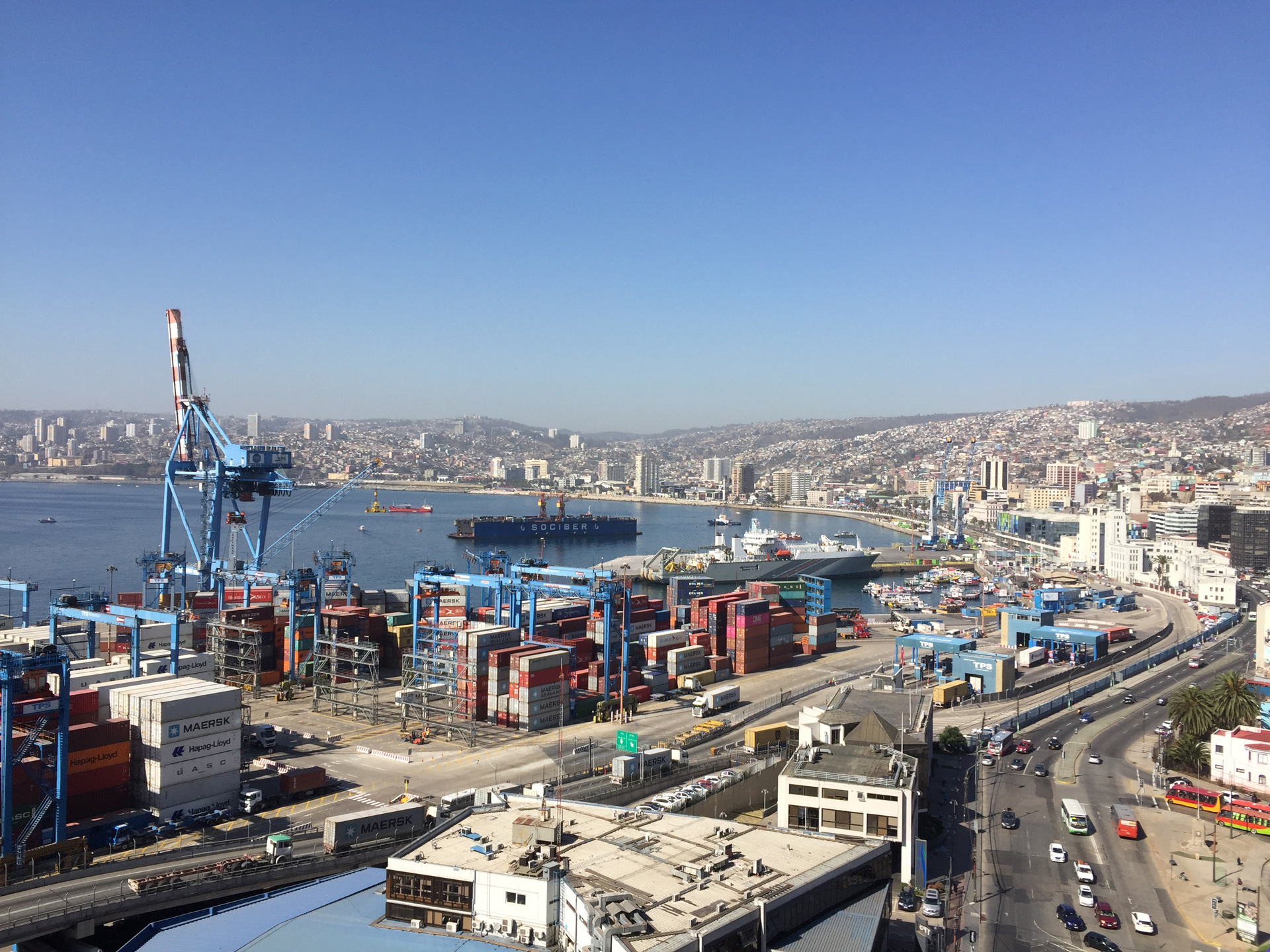
Replace the regional map with a national approval table
Fix the final country and city, importer, commercial or personal route, category, new or used status, powertrain, manufacture, expected arrival and registration date. Brazil, Mexico, Chile, Colombia and Caribbean destinations use different authorities, laws and application systems; Spanish-speaking countries do not share one outcome. Tariff preferences, regional trade arrangements and lawful sale in a neighbor do not establish destination homologation.
The country table separates import permission, whole-vehicle or individual approval, safety, emissions, energy or environmental labels, radio, consumer information, customs and first registration. Confirm who can apply: manufacturer, local representative, commercial importer, individual and low-volume routes may require different proof and have different limits. Check current official editions, transitions and forms before production; do not schedule a shipment around an old project calendar.
In Brazil, connect CAT, technical evidence and the registration code
Brazil's SISCAT service describes the Certificado de Adequação à Legislação de Trânsito, or CAT, as vehicle or equipment homologation tied to a make/model/version code in Renavam. Before ordering, confirm the applicant, Portaria SENATRAN 990/2022 and current amendments, technical annexes, test sources and exact version coding. A CAT for one version does not automatically cover a different wheelbase, powertrain, battery, seating, body or regulated software function.
Safety, emissions, noise, lamps, tyres, glazing, charging and radio can involve SENATRAN, IBAMA, INMETRO, ANATEL or other systems, with scope confirmed by Brazilian specialists. Plates, owner information, warnings, instruments and consumer material need valid Brazilian Portuguese. European Portuguese text, Mercosur registration elsewhere or an informal translation is not completion of Brazilian compliance.
Chile's 3CV ties production vehicles back to the approved record
Chile's transport ministry explains that 3CV conformity verification can sample vehicles from approved models or engine families, checking that declared equipment and engine settings are present and that national emissions limits are met. Approval of a sample therefore requires continued production control. A supplier change to aftertreatment, controller, tyre, safety component or software must be assessed against the existing approval before the altered vehicles ship.
Chile's 2023 update created a potential homologation route using specified Chinese technical certification for certain Chinese-market EVs. The ability to apply is not automatic approval for every domestic-market EV. Check the current decree, certificate source, exact type, required safety equipment and 3CV process, including actual braking, stability, charging and labelling configuration. Any phase-in date must come from the operative official text.
Mexico requires the current NOM, not the superseded number
Mexico's official standards platform lists NOM-194-SE-2021 as the current mandatory safety-device and requirement standard for new light vehicles, replacing NOM-194-SCFI-2015. The compliance plan establishes whether the vehicle is in scope, applicable implementation stage, accepted regulation or test route, conformity body and commercial-information requirements. An old NOM citation or a promotional crash-test page is not current evidence.
Check the quoted variant's airbags, belts, electronic stability control, braking, tyres, lamps and other applicable devices, connecting parts and tests to production units. If recognized foreign regulations support an accepted route, verify edition, approval scope and Mexican conditions. Spanish labels, manual, warranty information and manufacturer or importer identity must match the actual entity placing the vehicle on the market.
Colombia's transition history makes an application-date check essential
Colombia's transport ministry defines homologation as comparing technical-mechanical, environmental, mass, dimension, comfort and safety specifications with current law. A 2025 official notice also recorded a changed timing for planned application of UN vehicle regulations. That history demonstrates that publication and future start dates can move. For any 2026 or later application, query the operative resolution and system state rather than extrapolating from that older announcement.
The local applicant should confirm category, technical data sheet, recognized UN or other evidence, emissions and environmental records, import steps and data needed for RUNT or first registration. Type, version, seats, mass, engine or motor, VIN structure and use must agree across homologation, customs and registration. During a transition, record the production and application dates and the authority's basis for selecting the old or new route.
Control Spanish and Brazilian Portuguese as different legal assets
The vehicle master captures VIN, plant, version, build date, mass, powertrain, battery or engine, brakes, airbags, seats and belts, lamps, glass, tyres, emissions or electric safety, charging inlet, software and telematics. A China-domestic and Latin America version may share a badge while using different hardware. Even one Spanish label may not satisfy every country's mandatory terminology, responsible-party identity and consumer disclosures.
Brazilian Portuguese and Spanish material should receive separate destination review. Units, rescue information, charging and high-voltage warnings, warranty and privacy text all need a country match. Test connected functions with local SIMs, application stores, data hosting and emergency numbers. Where maps, remote control or security updates cannot be sustained, narrow the sales promise and determine whether a regulated function is affected.
Keep customs origin apart from technical approval
Have a destination broker confirm tariff classification, customs value, licences and origin preference. Chinese manufacture does not automatically qualify under a regional automotive arrangement, while transshipment or fitting accessories inside the region does not automatically change origin. Declare discounts, freight, insurance, chargers and spares accurately. Origin evidence does not replace safety approval, and technical homologation does not determine the tariff.
Before sailing, let broker and homologation applicant jointly pre-check contract, invoice, packing list, draft bill, VIN schedule, origin, type evidence and language materials. If the vehicles enter a free zone, bonded warehouse or regional hub first, document status, allowed handling and final-entry evidence separately so the transit operation does not break origin traceability, approved-sample integrity or the applicant chain.
Scale only after registration and recall capability are real
The technical contract locks the variant, national baseline, applicant, complete reports, sample and production conformity, language, change notice, correction, rejection and return. Payments follow authority pre-check, sample or type approval, pre-shipment sampling, customs, first registration and connected-function acceptance, retaining enough value to address demurrage or a wrong configuration. The Incoterms rule does not replace those obligations.
Stop if no clear CAT or national route exists, 3CV or another body rejects the evidence, the wrong NOM is cited, production differs from reports, mandatory Spanish or Portuguese information is missing, VIN data cannot enter registration, or no local entity owns safety defects and recalls. Put a small batch through homologation, customs, registration, service and a recall-communication drill before volume. The result measures institutional execution, not just vehicle quality.
Frequently asked questions
Can one country's approval be used across Latin America?
No. Homologation, emissions, labels, customs and registration are national; trade arrangements do not automatically approve the whole vehicle.
Does a Brazilian CAT complete every compliance step?
Do not assume so. CAT is central, but emissions, product, radio, customs and registration scope still require vehicle-specific confirmation.
Can every Chinese-market EV be homologated in Chile?
No. Chile provides a route under applicable conditions for specified Chinese technical certification; the exact type, certificate and 3CV process still matter.
Which Mexican light-vehicle safety NOM is current?
The official platform lists NOM-194-SE-2021, which replaced NOM-194-SCFI-2015; confirm the applicable implementation stage.
Why recheck Colombia at application time?
Its published transition timing has changed before, so rely on the operative resolution and authority response when applying.
Sources
- Sistema de Certificação de Adequação à Legislação de TrânsitoGovernment of Brazil · 2026-07-15
- Verificación de ConformidadChile Ministry of Transport and Telecommunications · 2026-07-15
- Vehículos eléctricos del mercado chino podrán ser homologados en ChileChile Ministry of Transport and Telecommunications · 2026-07-15
- NOM-194-SE-2021Mexico Secretariat of Economy · 2026-07-15
- Homologación de vehículosColombia Ministry of Transport · 2026-07-15
- El Gobierno Nacional garantiza estabilidad regulatoria para el sector automotor durante 2025Colombia Ministry of Transport · 2026-07-15