FOB vs CIF Quote Check for Chinese Vehicles Imported into Latin America
FOB and CIF allocate delivery, risk and specified costs; they do not settle destination customs or registration requirements. Compare each quote against the separate procedures in Brazil, Colombia, Peru and Chile, using the same endpoint.
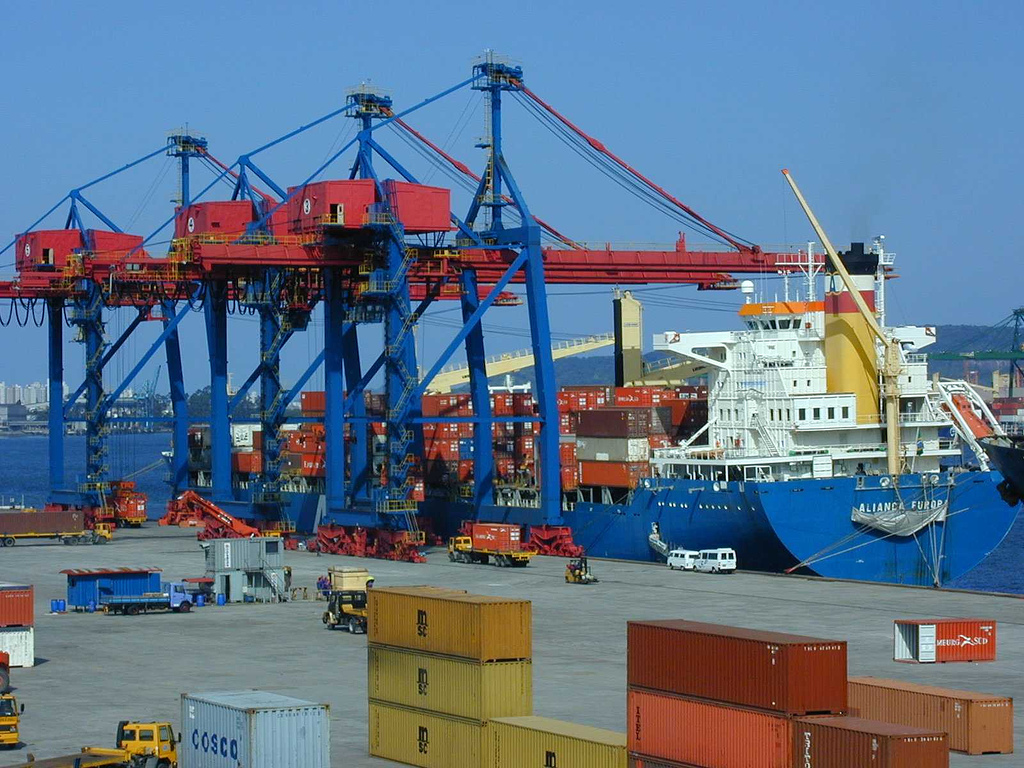
Separate the shipping term from destination requirements
FOB and CIF allocate delivery, risk and specified cost obligations. Under FOB, risk transfers on board the buyer-nominated vessel; FOB and FAS apply to sea and inland waterway transport. Under CIF the seller pays main carriage and arranges minimum-cover insurance to the named Latin American port, but risk still transfers on board in China. For delivery to a terminal before loading, consider FCA; CIP can cover insured multimodal carriage within the agreed transport scope.
The chosen Incoterm remains part of the contract, but it does not determine destination customs, licensing, vehicle approval or registration rules. Check those national requirements separately, including any steps that apply before import, rather than assuming the shipping term completes them.
Customs value is decided at destination
The WTO valuation framework normally starts from the price paid or payable, with the required adjustments, when the transaction-value conditions are met. An invoice can therefore support the customs value; it is neither automatically sufficient nor automatically irrelevant. WCO guidance explains that inclusion of transport costs depends on the importing country's legislation. Ask your destination broker to show the valuation basis and adjustments separately from the seller's commercial total. This makes a FOB and a CIF offer comparable without counting freight twice or assuming either total is the final taxable amount.
Brazil: establish the declaration route before accepting an all-in quote
Receita Federal's import-clearance manual covers declaration and licensing procedures and links the transition from the older DI declaration to Duimp. Do not assume every vehicle shipment already follows the same route. Have the Brazilian broker identify the applicable system, licensing steps and party responsible for each filing. A CIF Santos price does not, by that term alone, include completion of those procedures.
Brazil's process cannot be applied to Spanish-speaking markets. Brazil, Colombia, Peru and Chile maintain distinct declaration, licensing, valuation and registration systems; a broker who works one does not automatically work the others.
Colombia: prior registrations and licences through VUCE
Colombia's VUCE supports electronic processing of the applicable prior import registrations, licences and authorizations. Do not assume missing pre-import paperwork can be resolved by paying extra after arrival. Confirm the requirements and timing for the specific vehicle with VUCE or your Colombian broker; this source does not establish a vessel-sailing deadline.
Peru: homologation for new, technical sheet plus inspection for used
SUNAT's new-vehicle guidance requires the declaration to identify the vehicle and its homologation registration. If the importer differs from the party that obtained homologation, additional confirmation from the manufacturer or its authorized Peruvian representative is required; an authorized conformity certificate is an alternative for that confirmation. A supplier's general specification sheet is not a substitute.
For used vehicles under the regular import regime, the listed documents include a technical sheet signed by the importer and an accredited engineer, plus a physical and documentary inspection report covering technical and emissions compliance. Confirm the applicable authorized inspection provider. These are documentation requirements, not proof that every used vehicle is admissible: other vehicle-entry conditions still need checking. Request the documents before committing to freight for a unit whose import eligibility remains unresolved.
Chile: customs release and road registration are two different events
ChileAtiende distinguishes the first-sale invoice used for new vehicles from the customs document used for customs-imported vehicles. The latter must establish lawful import and duty payment or the applicable exemption. Identify the document route for the transaction rather than treating an invoice and a customs document as a universal combined checklist. The guidance also specifies green-tax payment evidence for light and medium vehicles; do not extend that statement to every vehicle class.
For the buyer, the remaining question is who will complete first registration and provide the required identity and tax documents. Customs clearance and first registration are separate procedures. Naming San Antonio as the CIF destination does not establish that either has been arranged.
Origin preference is a claim you have to prove
Shipping from China is not, on its own, evidence for a lower duty rate. This comparison does not determine preferential eligibility for any particular vehicle. Before relying on a quoted saving, ask the destination customs adviser to identify its legal basis, the applicable origin conditions and the evidence needed for the claim. Keep an unconfirmed saving separate from the confirmed transport quotation.
Turn the comparison into a payment decision
Ask each supplier and broker to quote the same vehicle and the same endpoint: arrival at port, customs release or first registration. Show separately what is included, what is estimated and what remains unpriced. Assign each required document to a named party and agree what happens if it cannot be supplied before the next payment.
Obtain current transport charges and sailing acceptance from the logistics provider, and vehicle-specific valuation and tax advice from the destination broker. This article covers selected procedures in Brazil, Colombia, Peru and Chile; it is not an import checklist for other Latin American countries.
Sources & verification
| Source | Organization | URL | Market | What it supports | Checked |
|---|---|---|---|---|---|
| Incoterms 2020 checklist | International Chamber of Commerce | https://library.iccwbo.org/content/clp/Others/incoterms_2020_checklist_2024-update.pdf | International | Delivery and risk transfer; transport-mode limits; FCA/CIP alternatives | 2026-09-12 |
| Valuation FAQ | World Customs Organization | https://www.wcoomd.org/en/topics/valuation/overview/faq-valuation.aspx | International | Conditional invoice acceptance and national treatment of transport costs | 2026-09-12 |
| Customs valuation technical information | World Trade Organization | https://www.wto.org/english/tratop_e/cusval_e/cusval_info_e.htm | International | Transaction value, conditions and adjustments; not a vehicle tariff determination | 2026-09-12 |
| Import clearance manual | Receita Federal do Brasil | https://www.gov.br/receitafederal/pt-br/assuntos/aduana-e-comercio-exterior/manuais/despacho-de-importacao | Brazil | Declaration and licensing guidance, including DI-to-Duimp migration | 2026-09-12 |
| VUCE procedures and services | VUCE Colombia | https://vuce.gov.co/vuce/tramites-y-servicios-de-la-vuce | Colombia | Applicable prior import registrations, licences and authorizations | 2026-09-12 |
| Vehicle importation guidance | SUNAT Peru | https://www.sunat.gob.pe/orientacionaduanera/importacionvehiculos/ | Peru | Conditional new-vehicle documentation; regular-regime used-vehicle technical sheet and inspection | 2026-09-12 |
| First registration of motor vehicles | ChileAtiende | https://www.chileatiende.gob.cl/fichas/3388-primera-inscripcion-de-vehiculos-motorizados | Chile | Transaction-specific registration documents and light/medium-vehicle green-tax evidence | 2026-09-12 |
Each country rule above is supported by that country's own authority. The global Incoterms and customs-valuation sources frame the comparison and do not substitute for any national rule; live duty rates and preferential eligibility must be re-collected for the exact vehicle.
FAQ
Is CIF cheaper than FOB for a shipment to Santos or Callao?
Not inherently. CIF bundles carriage and minimum insurance into the seller's price; FOB leaves you to buy them. Compare the same scope, then compare what each term leaves for you to arrange.
Can one broker handle Brazil, Colombia, Peru and Chile?
A provider may have coverage in several countries, but establish who is authorized and responsible in each destination. The procedures described here are country-specific; experience in one market does not demonstrate capability in the other three.
Does a Chinese certificate of origin give me a lower duty?
Do not treat the document's title as confirmation of a discount. Ask the destination adviser to verify the claimed preference and the required supporting documents for that vehicle; this article does not establish eligibility.
When should I stop the payment process?
Pause the next payment when vehicle identity or import eligibility remains unresolved, or when the responsible party cannot substantiate a material valuation or registration assumption. Resolve the specific missing evidence before treating the shipment as ready.